Strong Governance and Climate Leadership Key to Resilient Growth in the Adria Region
10 Oktober 2025
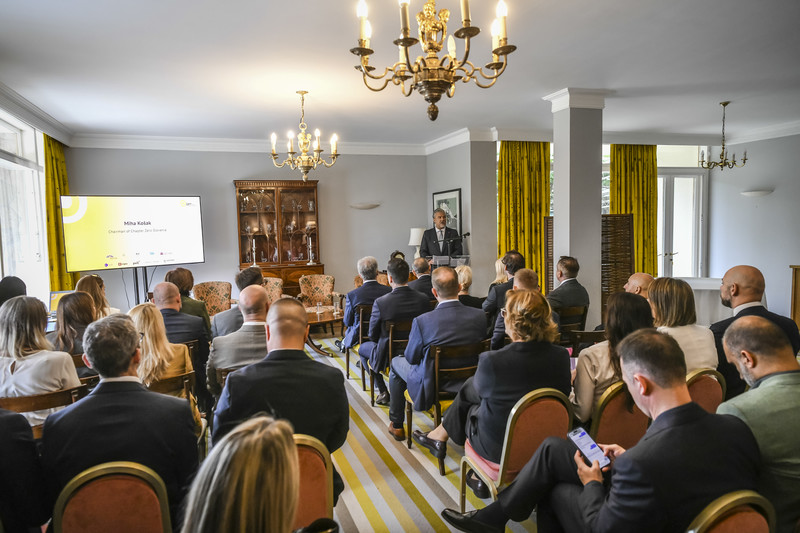
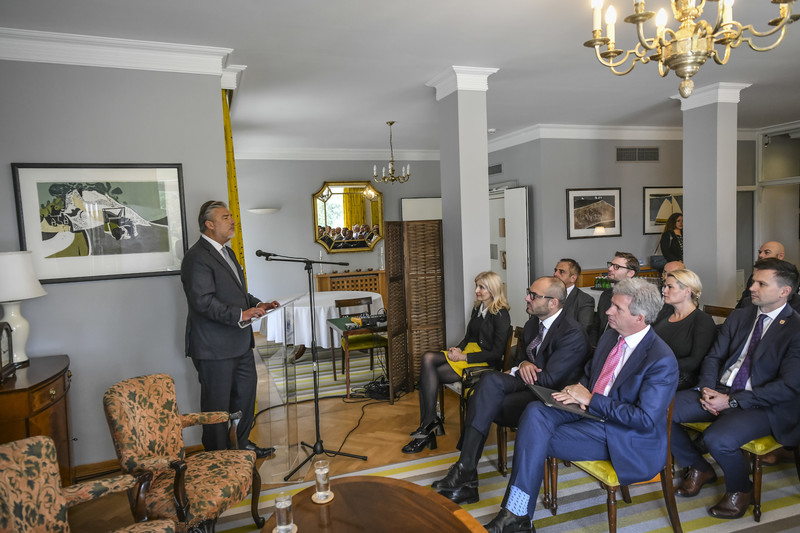
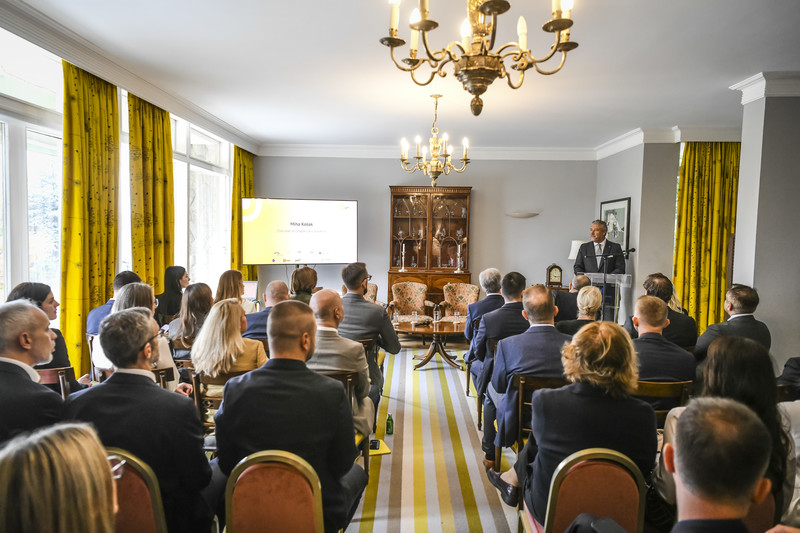
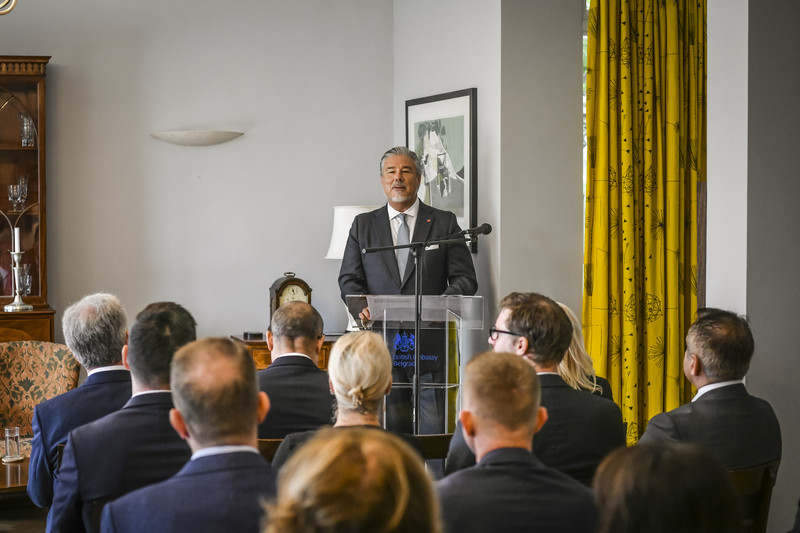
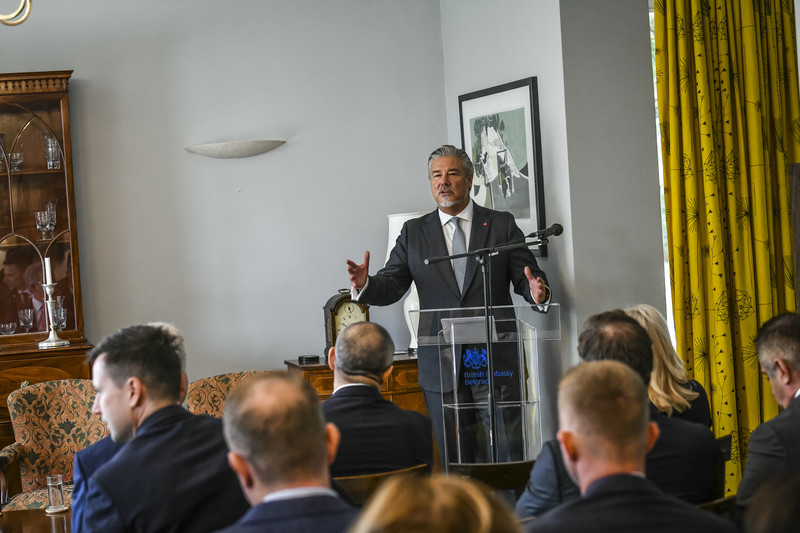
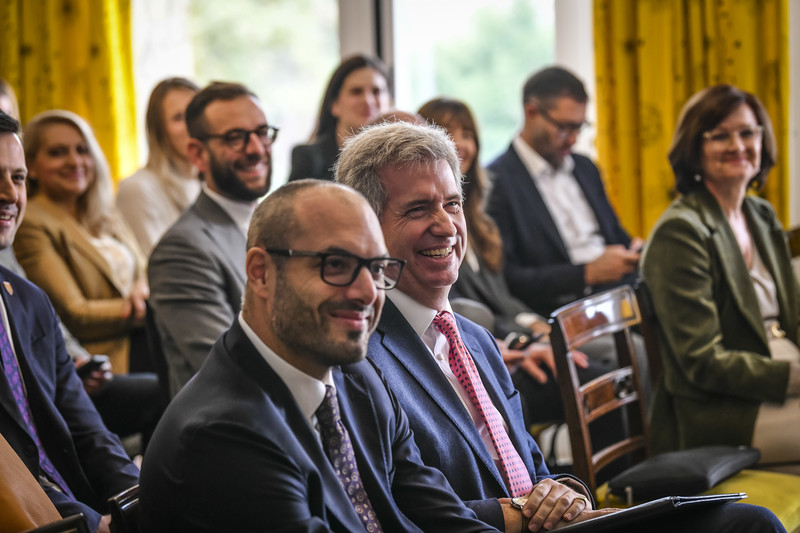
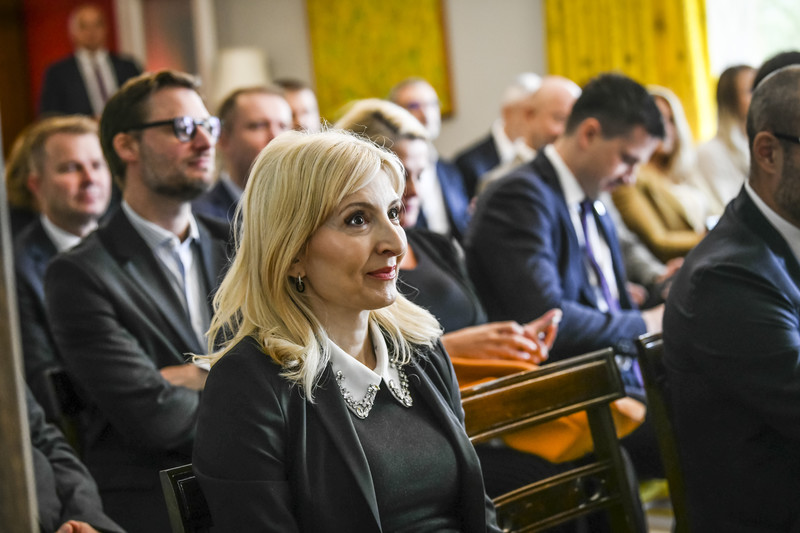
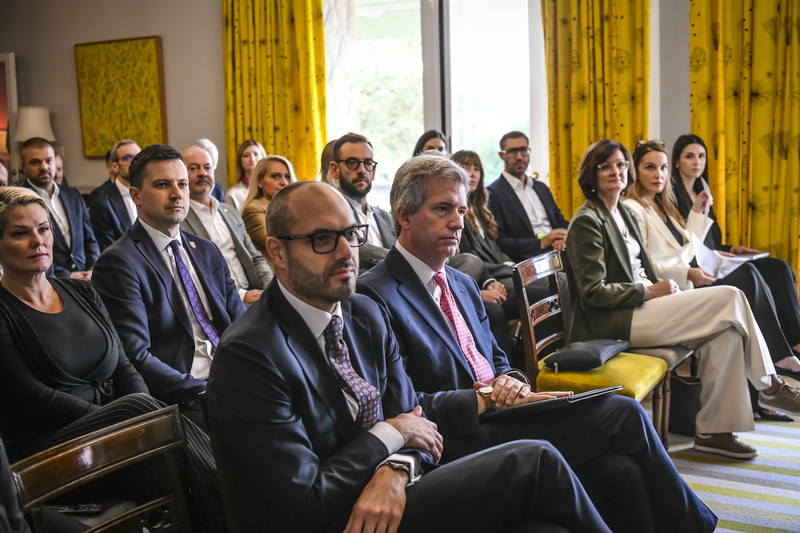
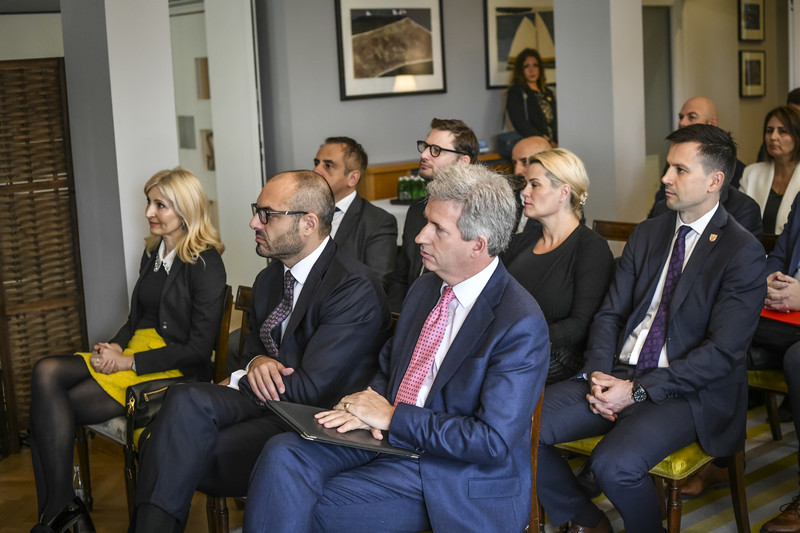
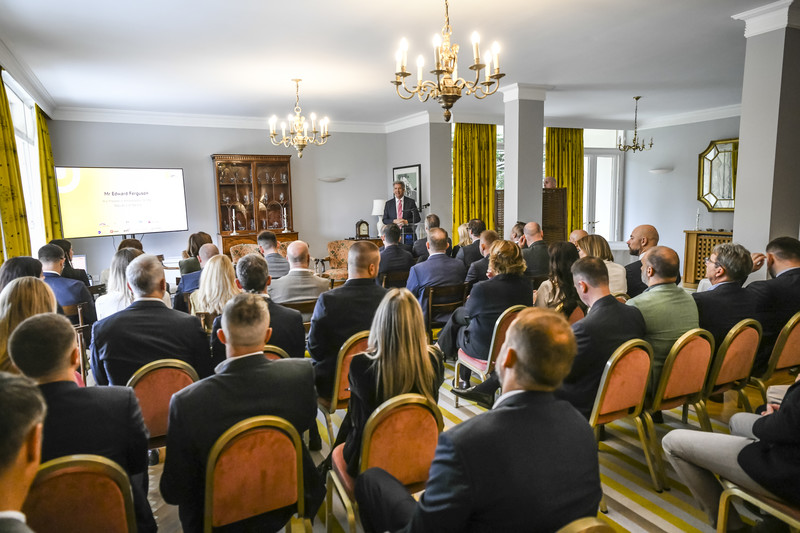
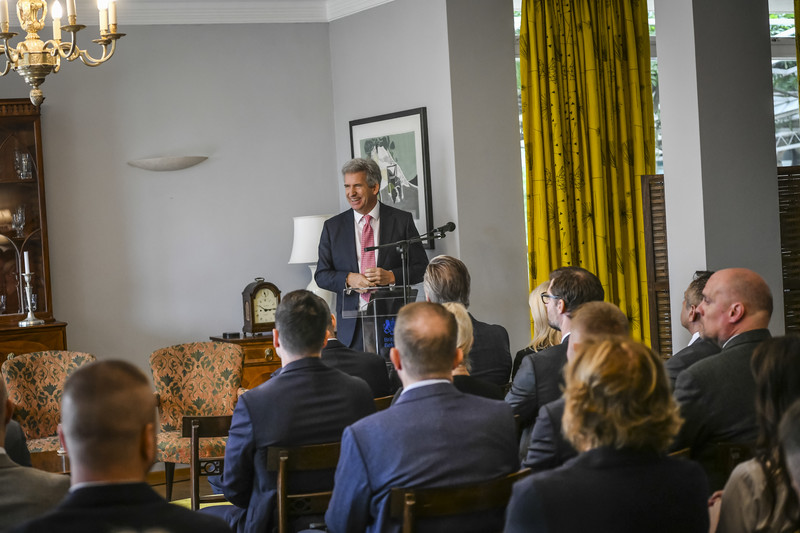
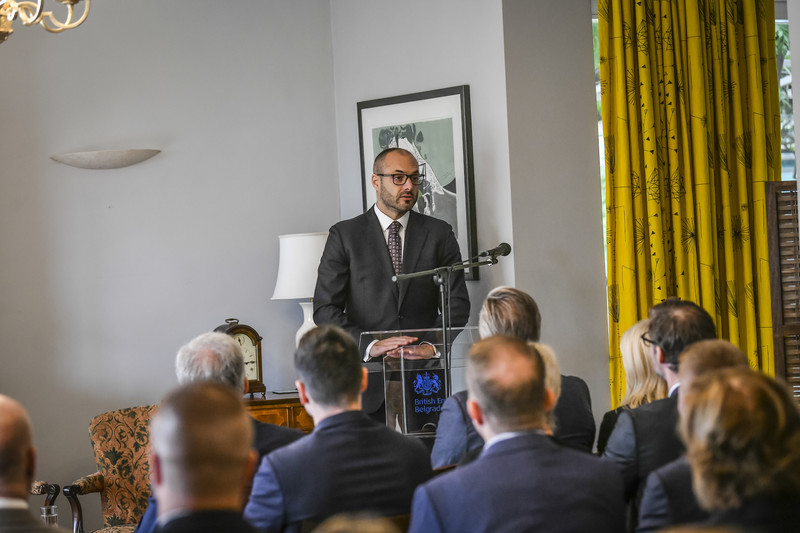
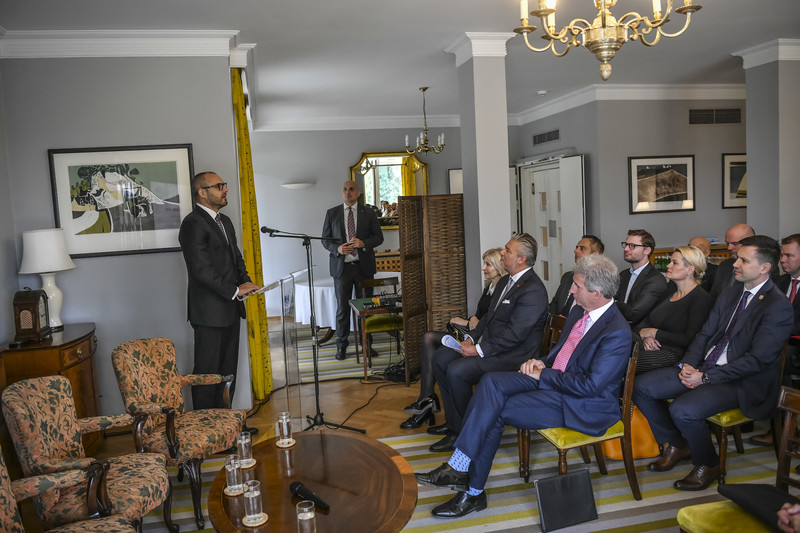
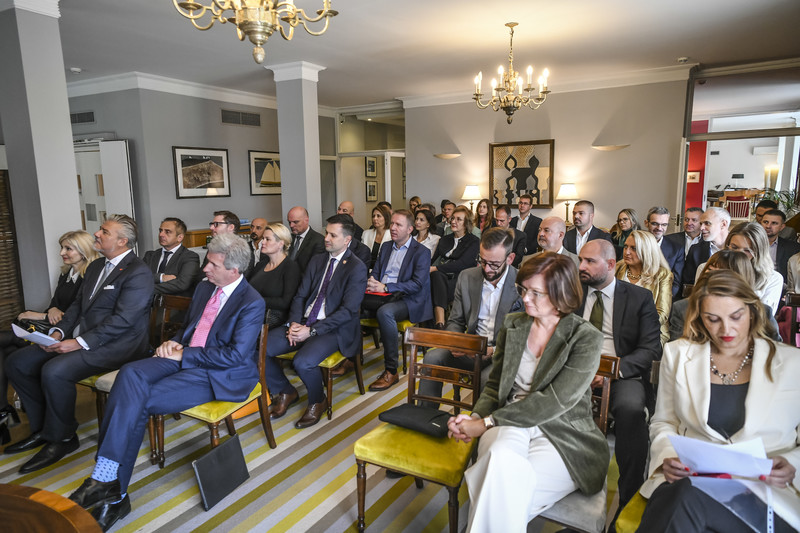
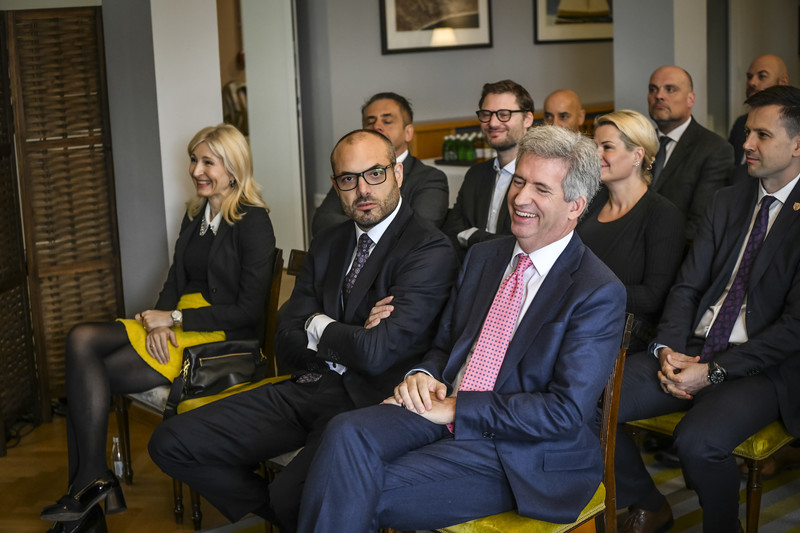
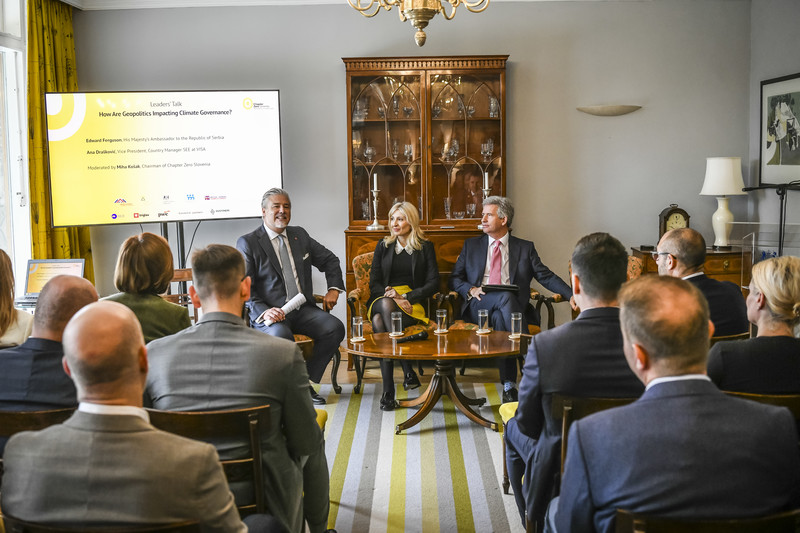
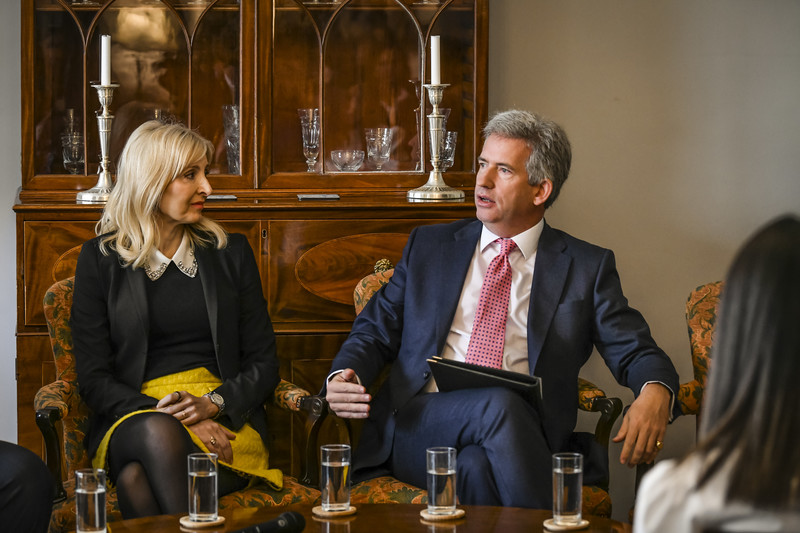
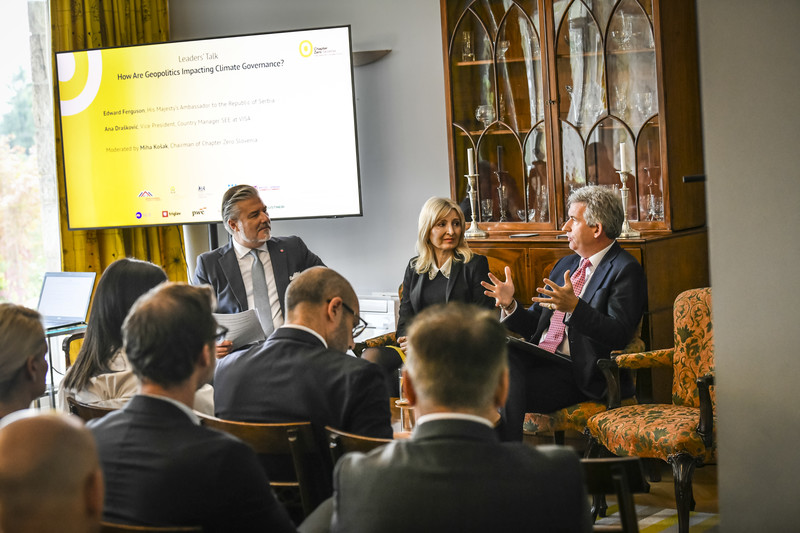
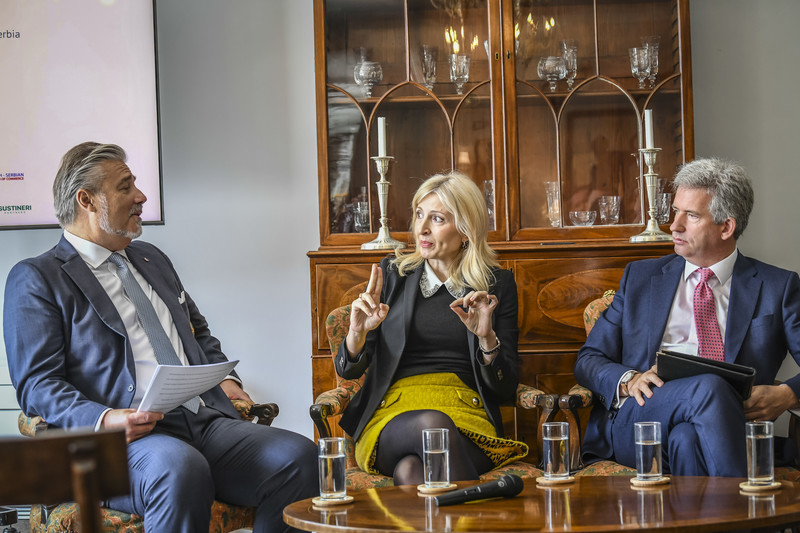
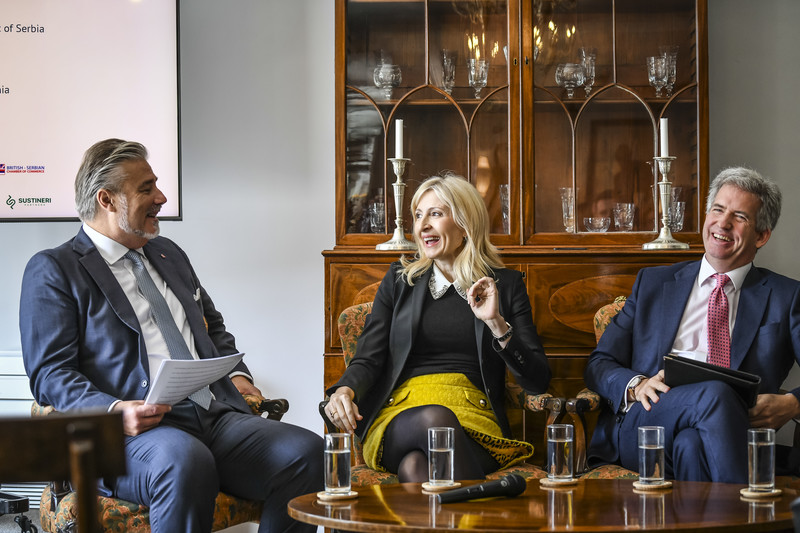
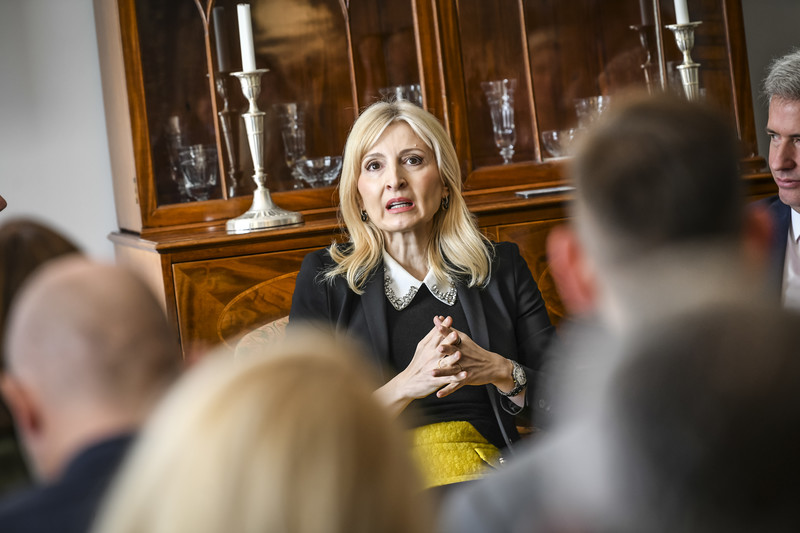
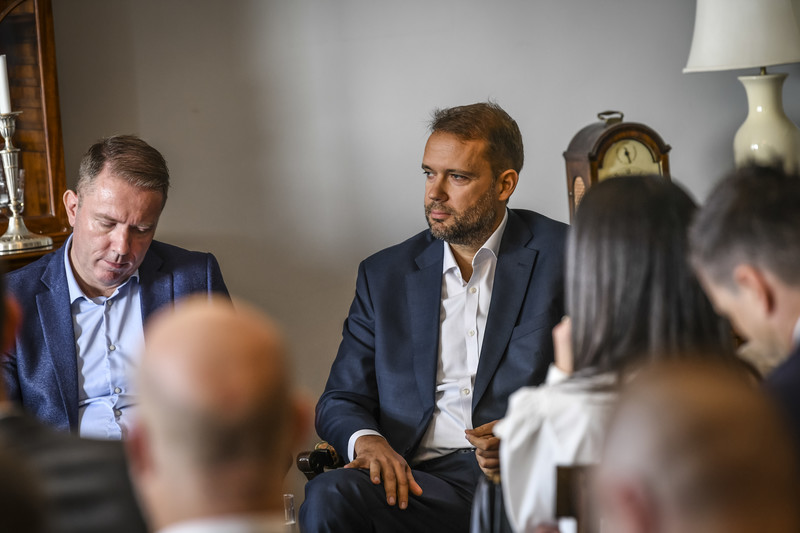
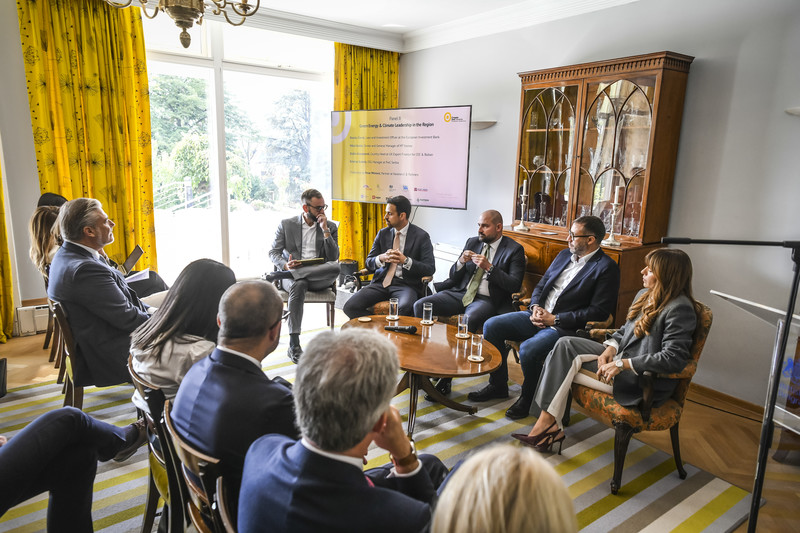
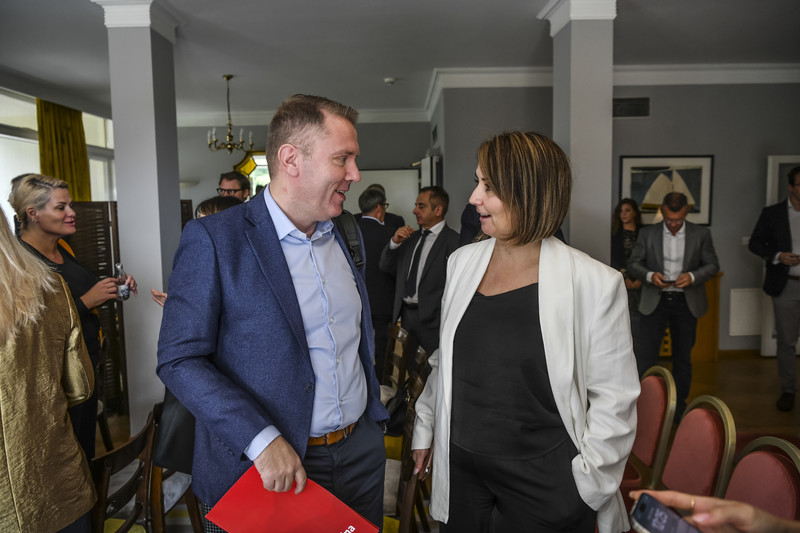
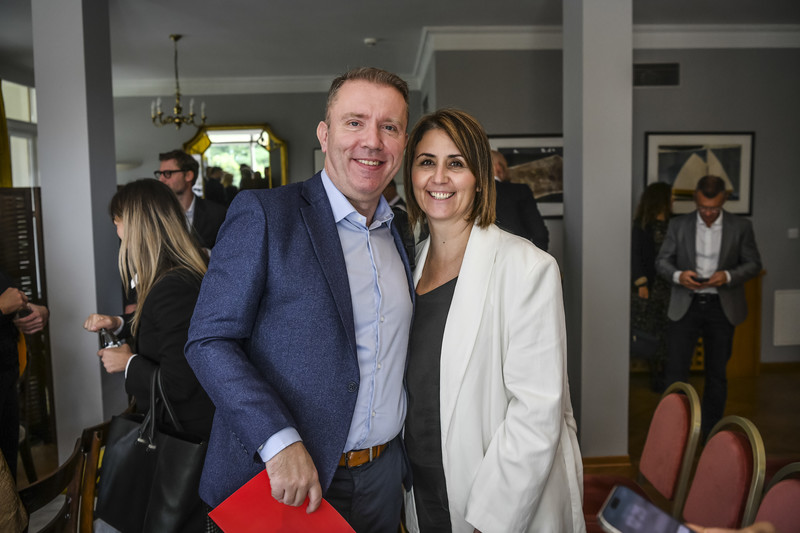
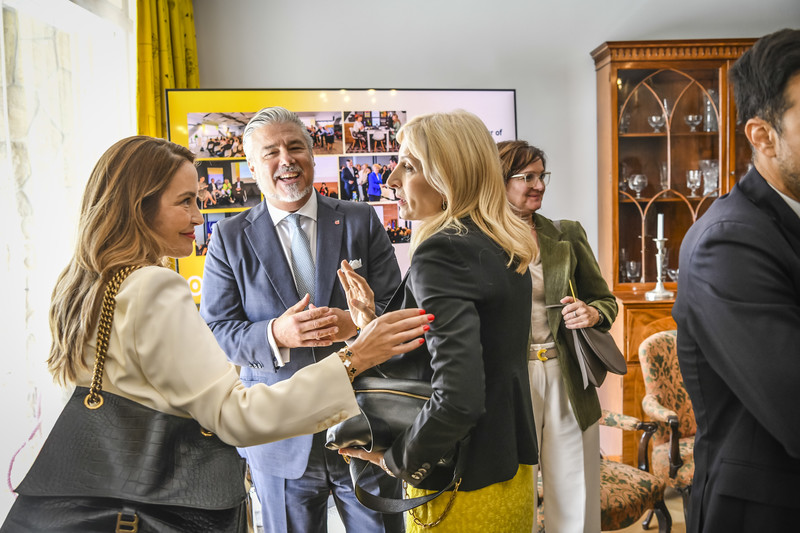
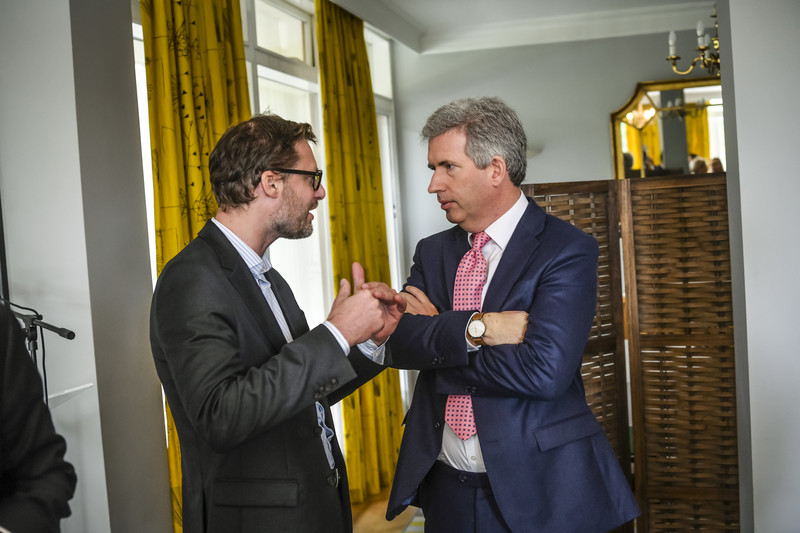
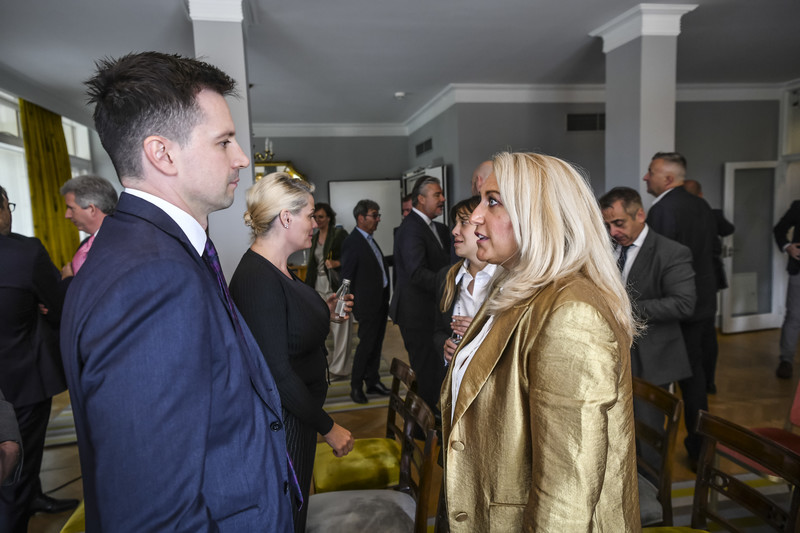
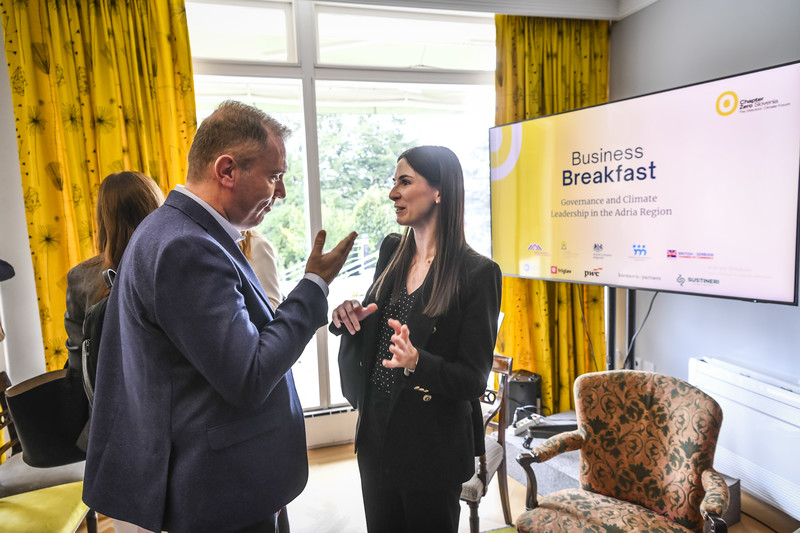
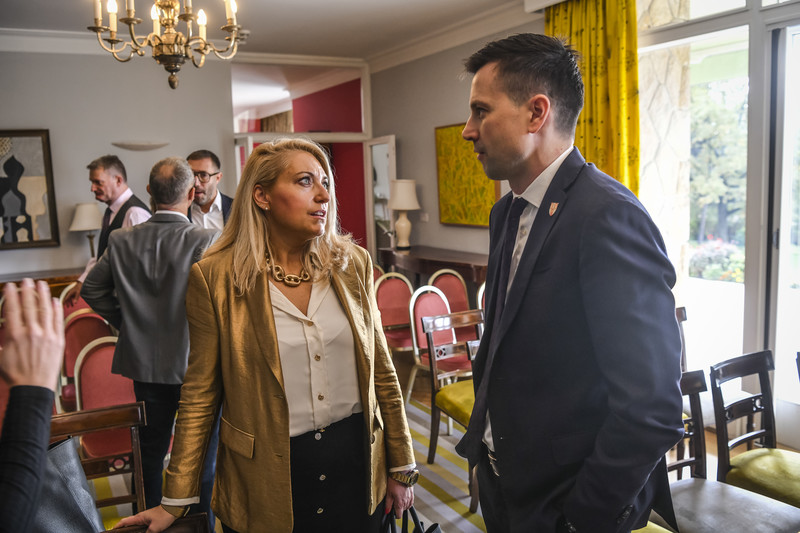
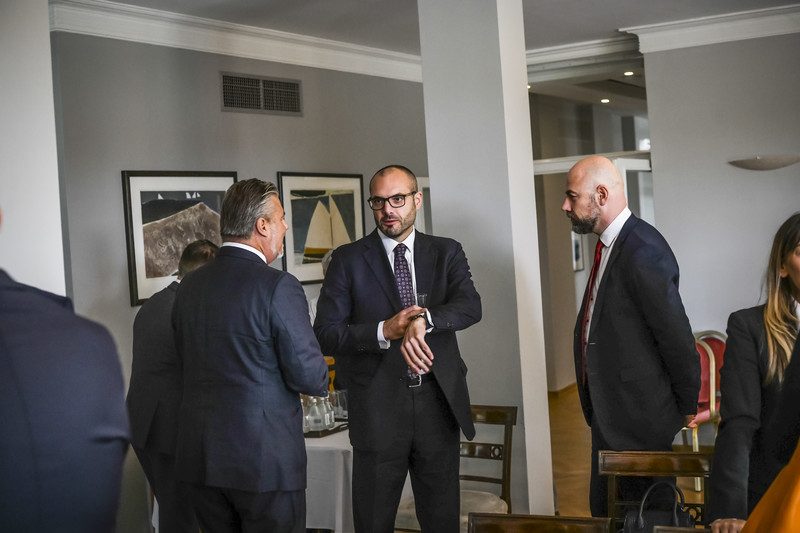
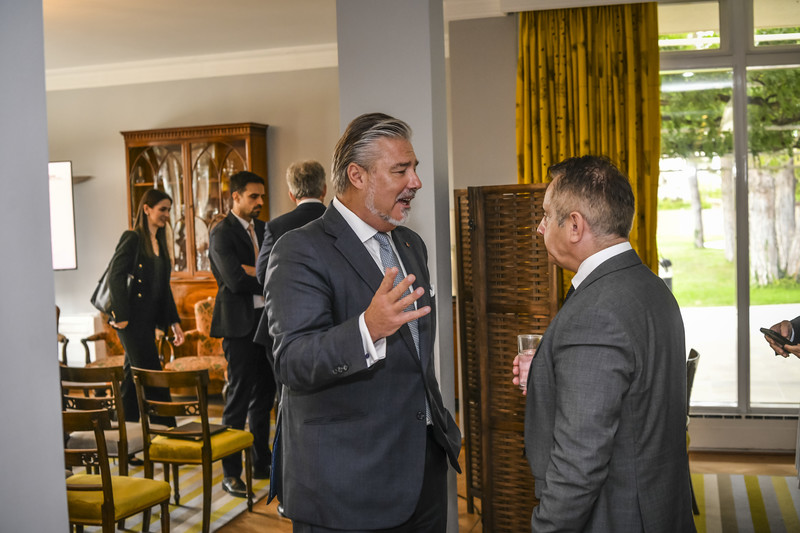
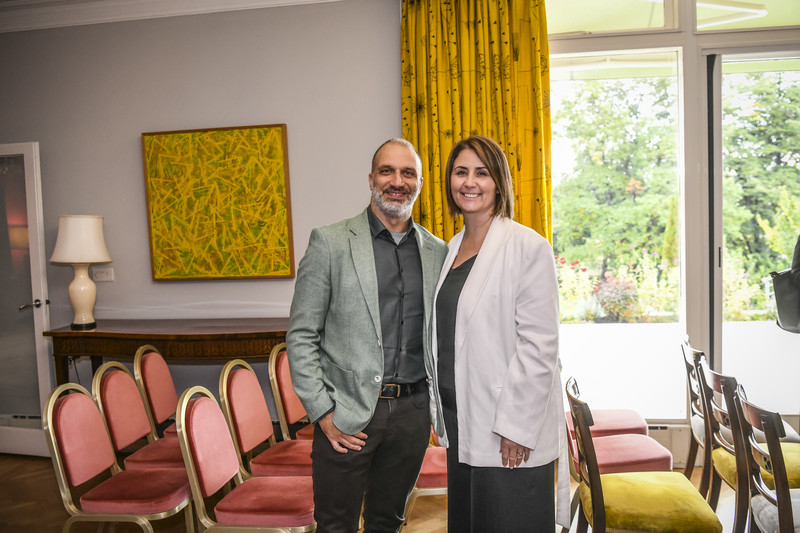
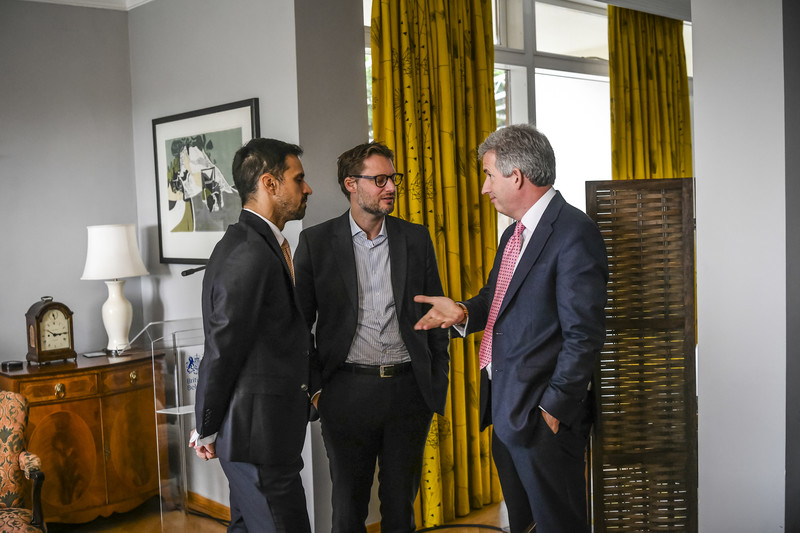
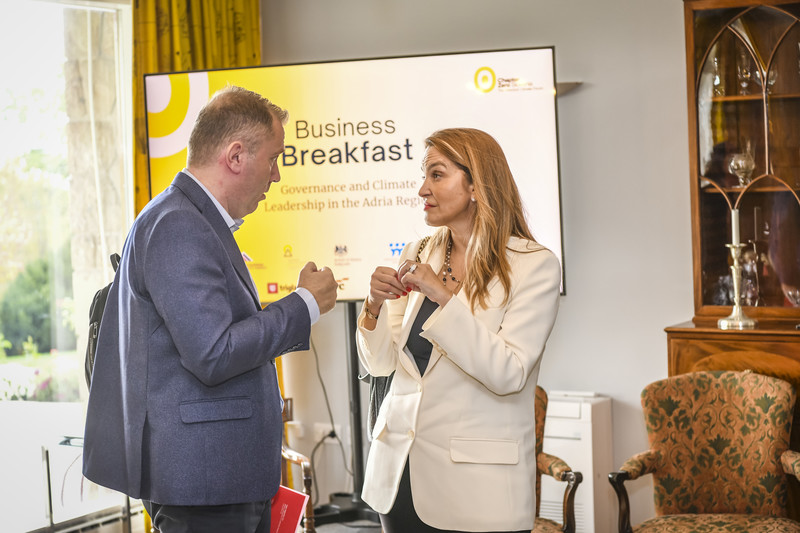
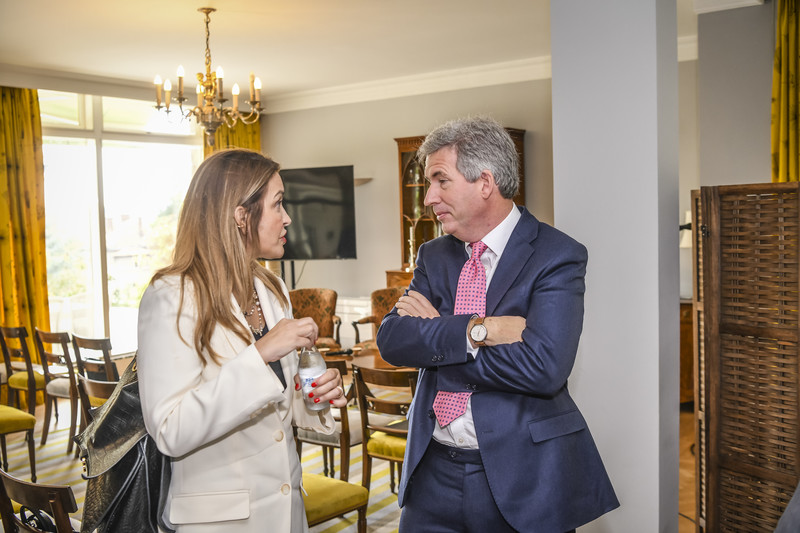
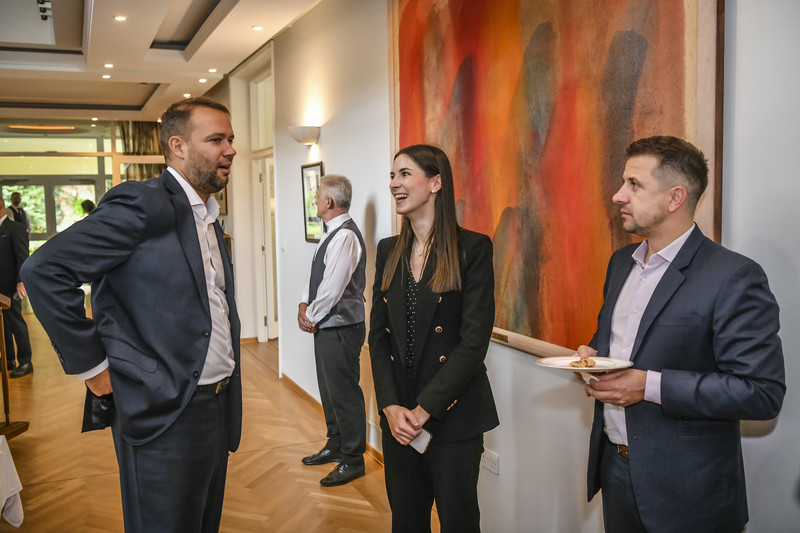
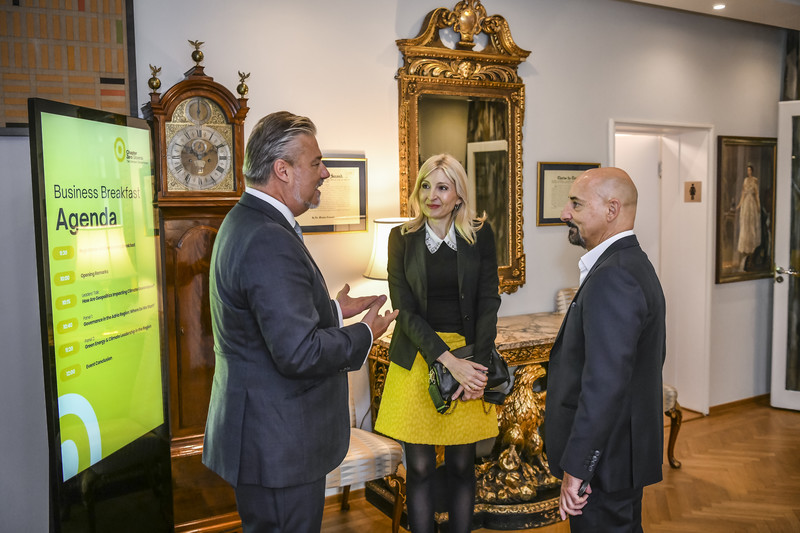
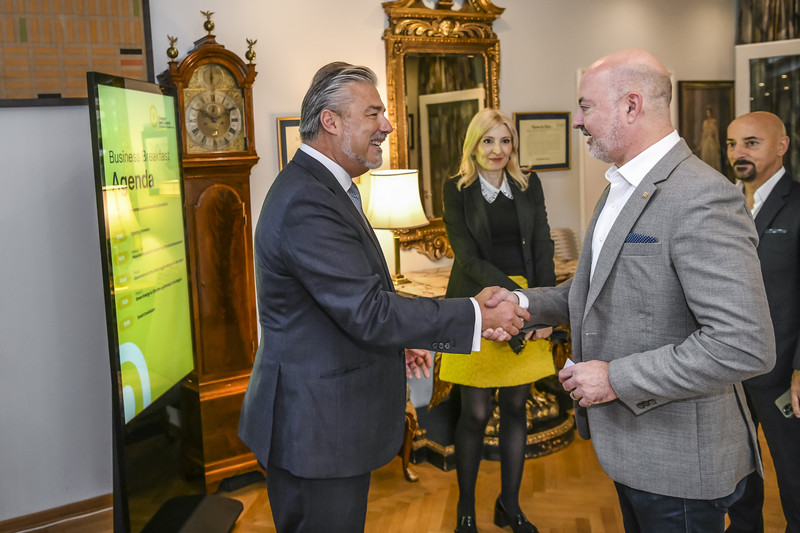
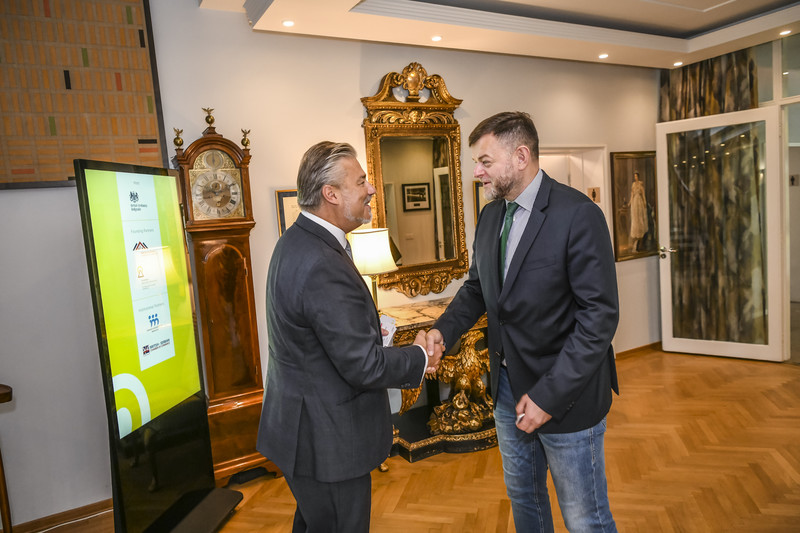
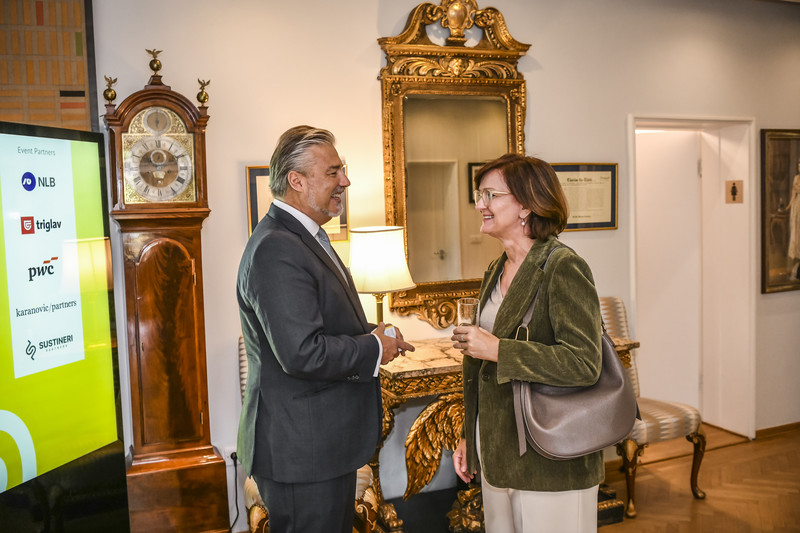
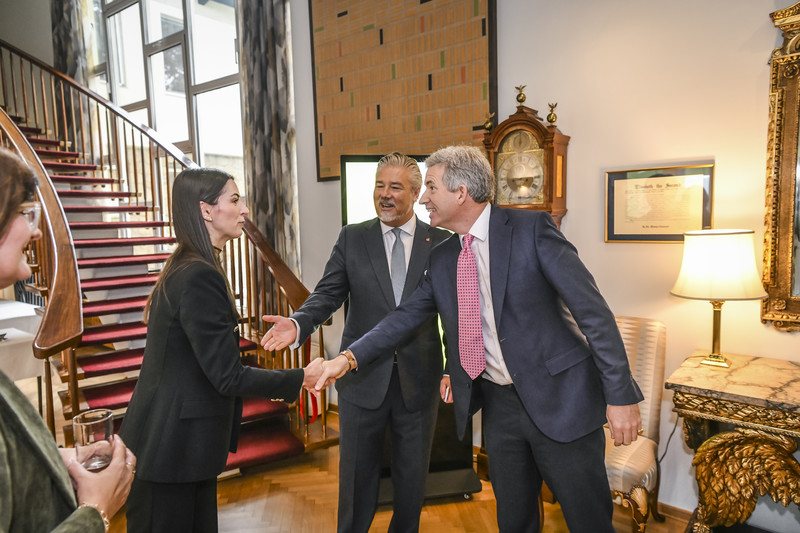
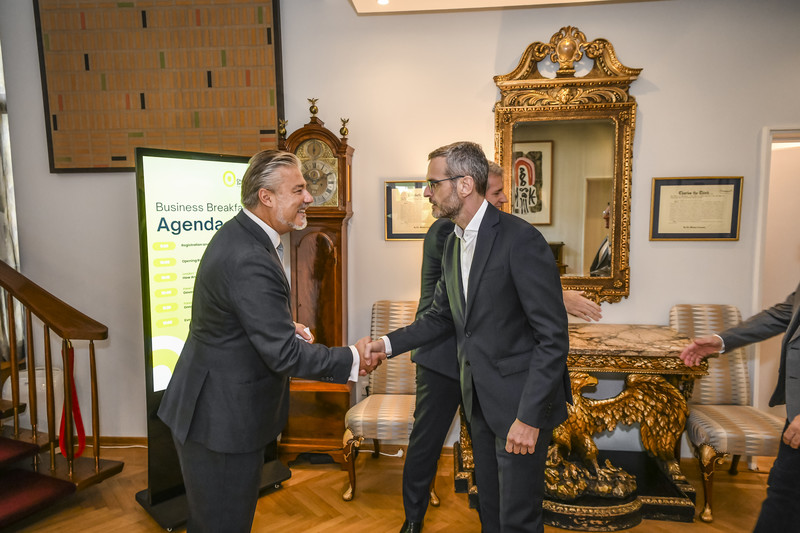
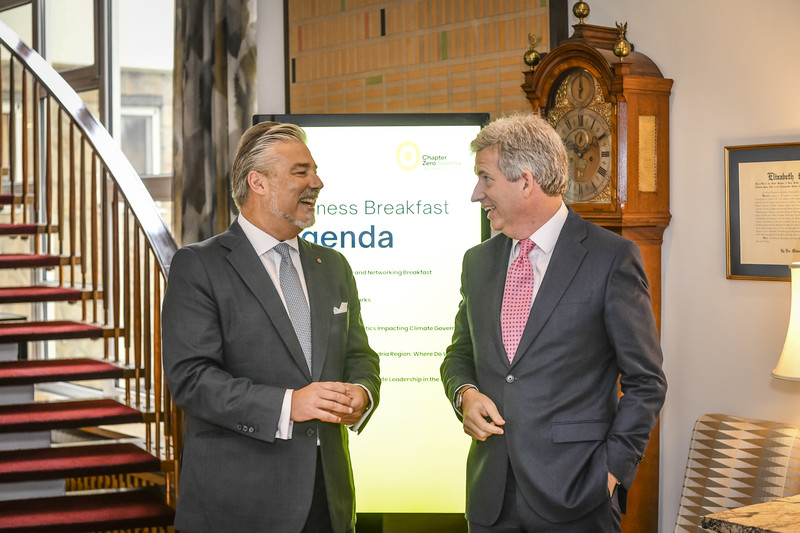
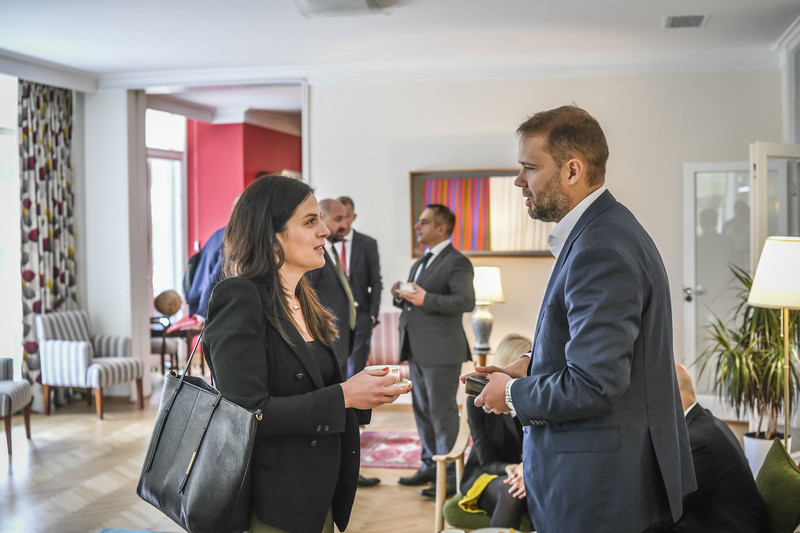
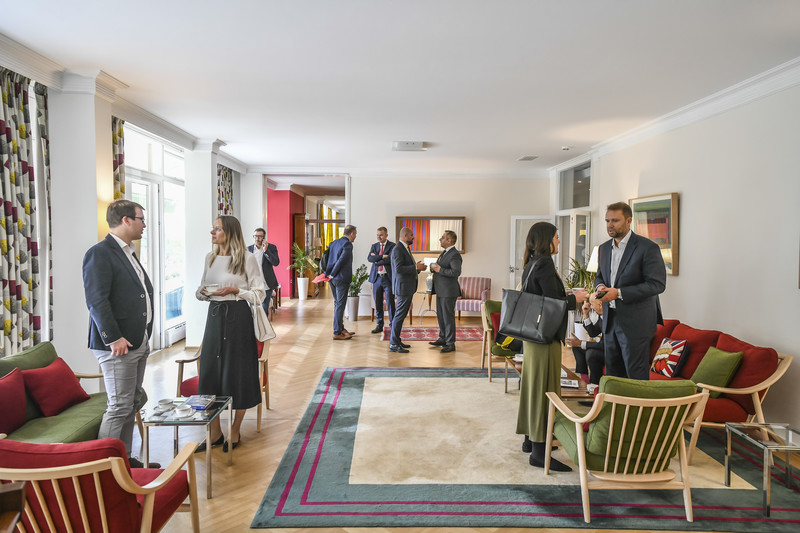
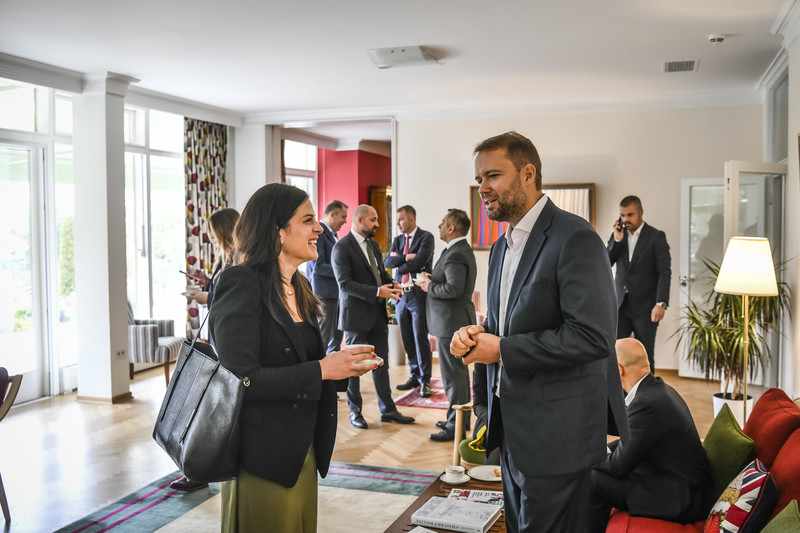
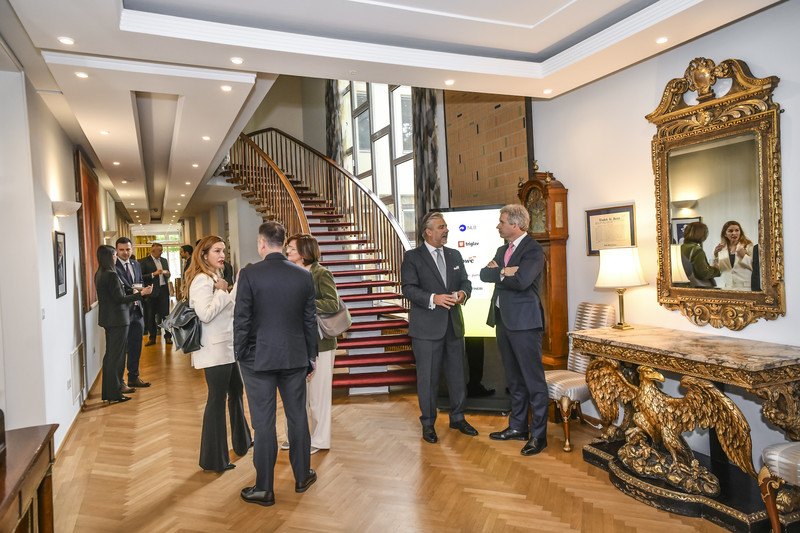
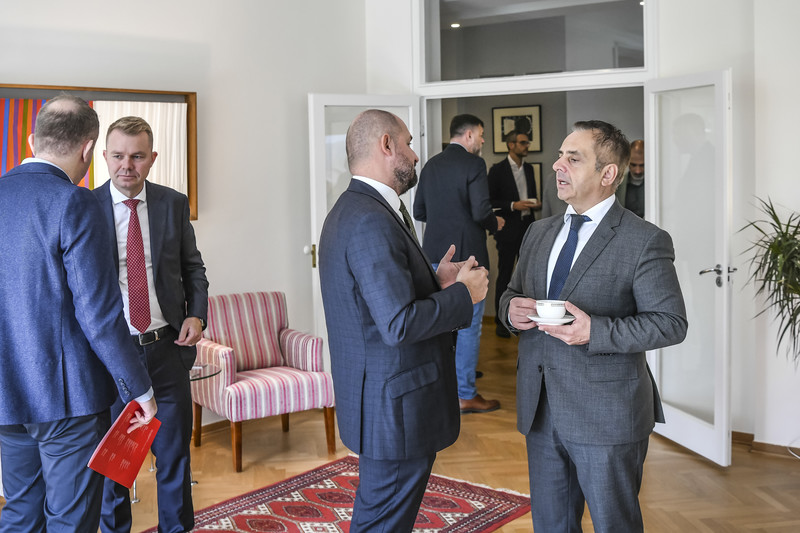
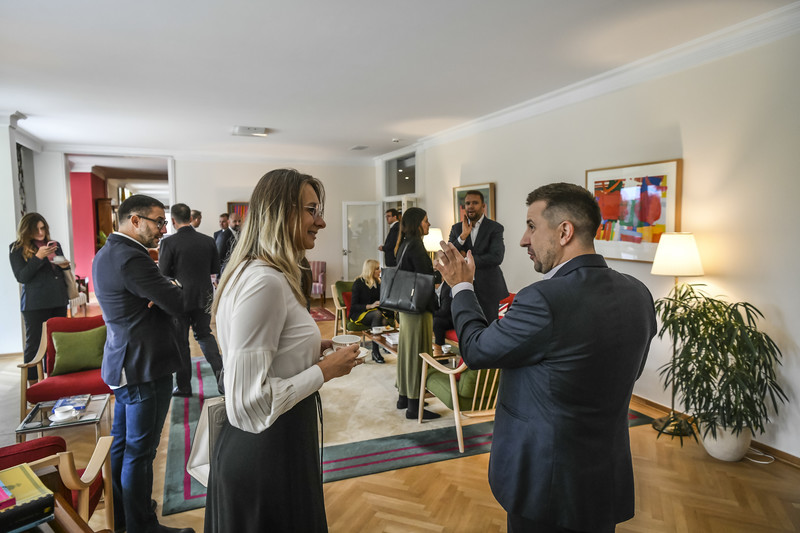
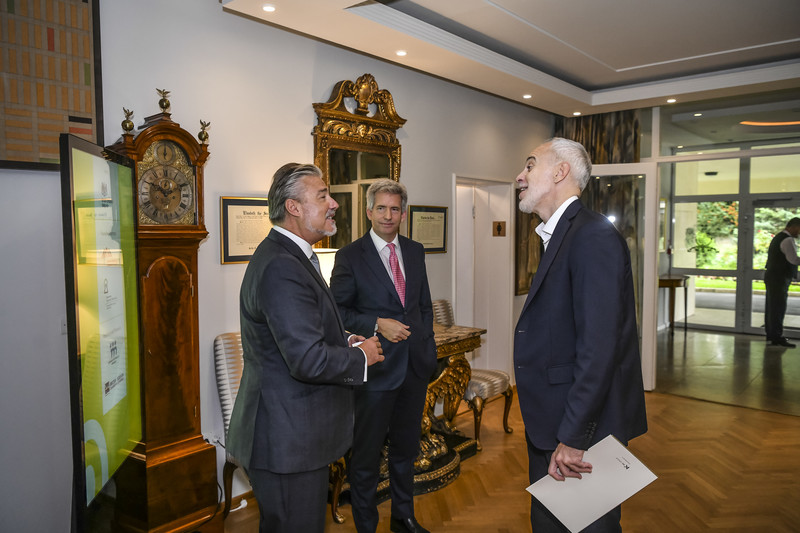
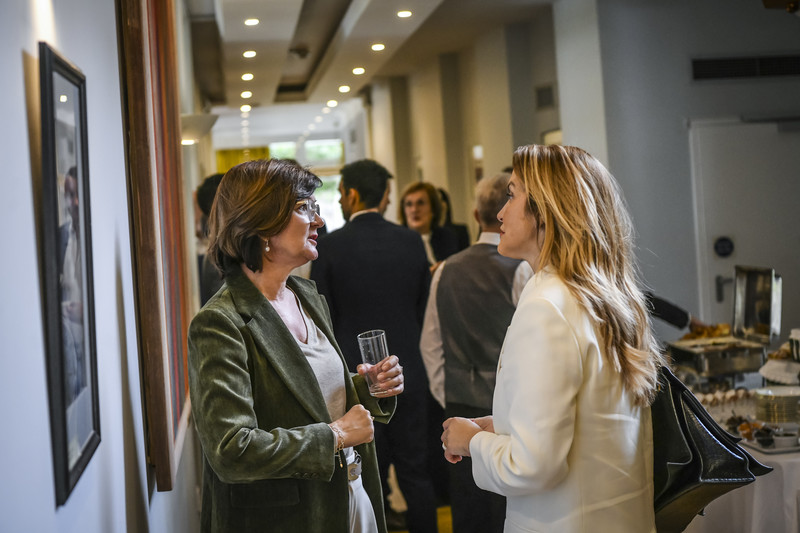
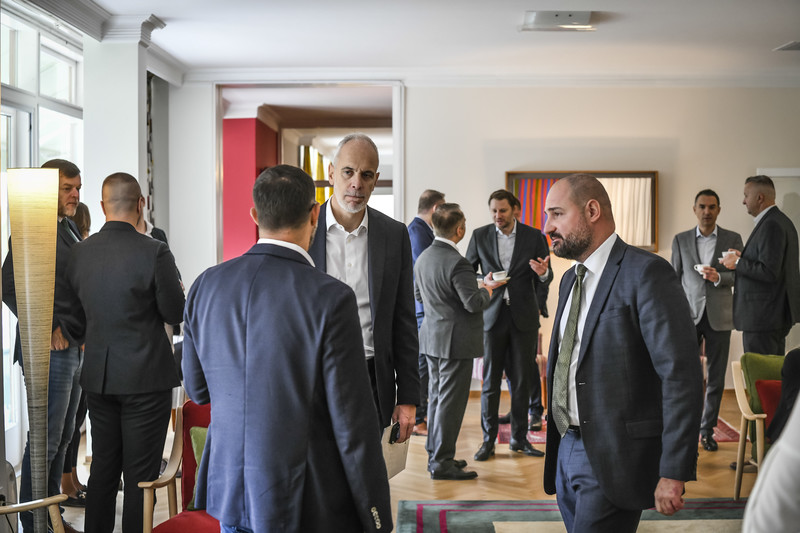
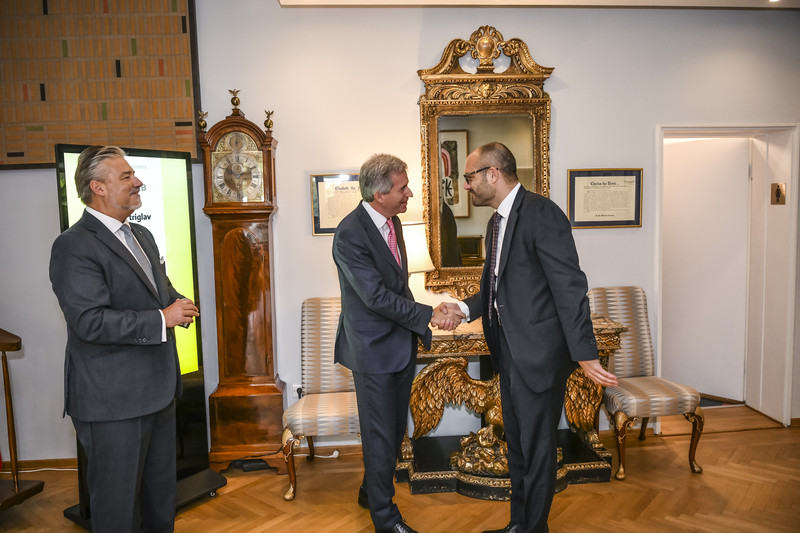
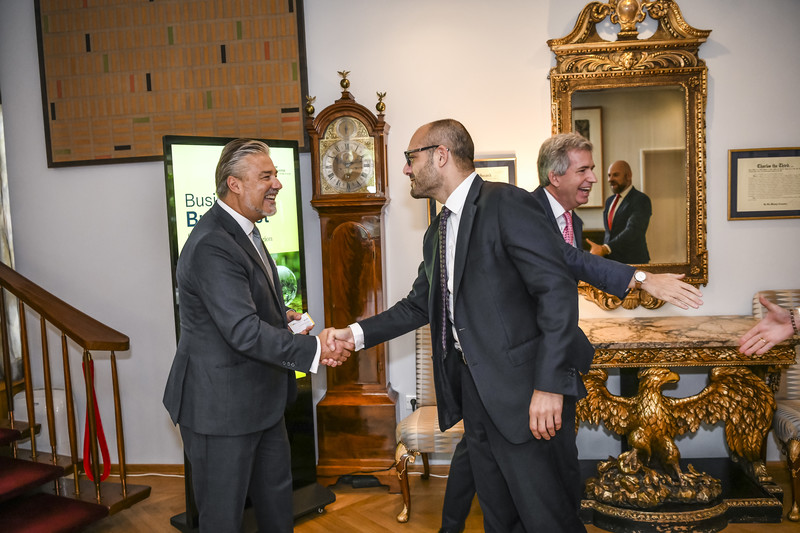
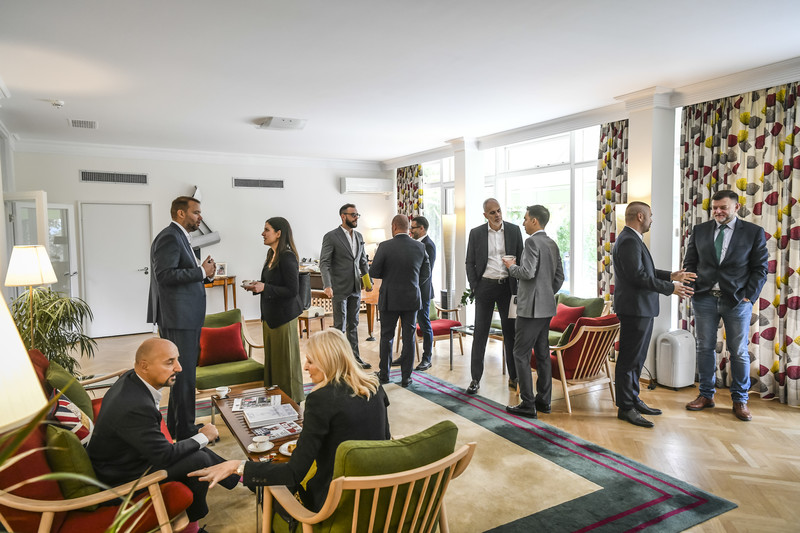
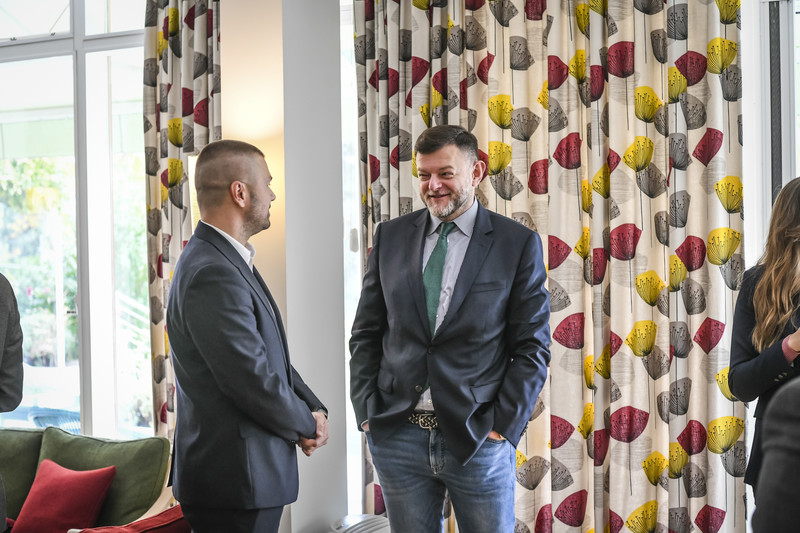
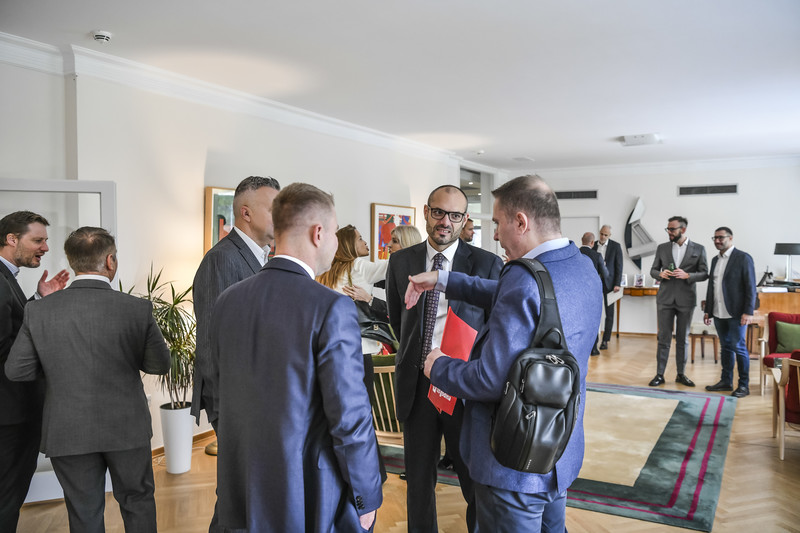
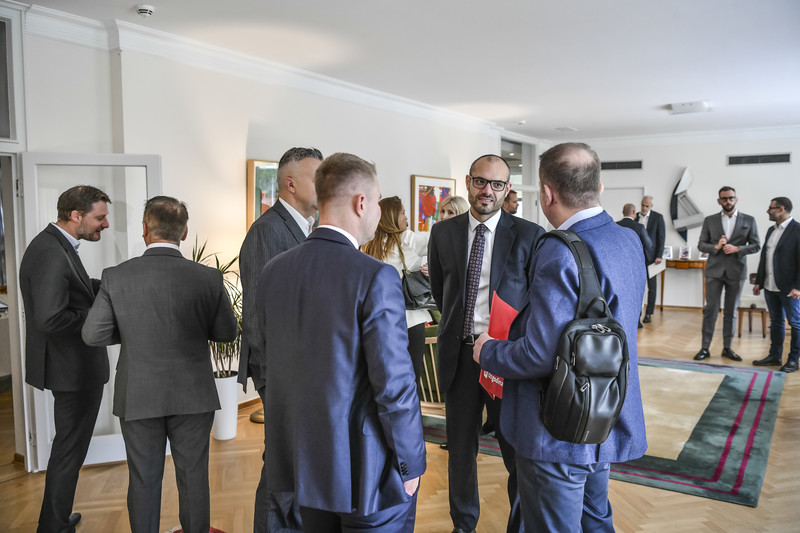
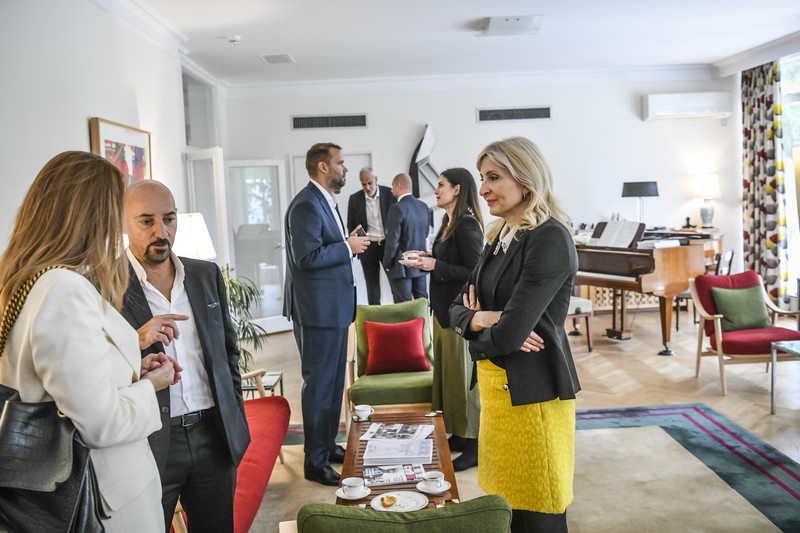
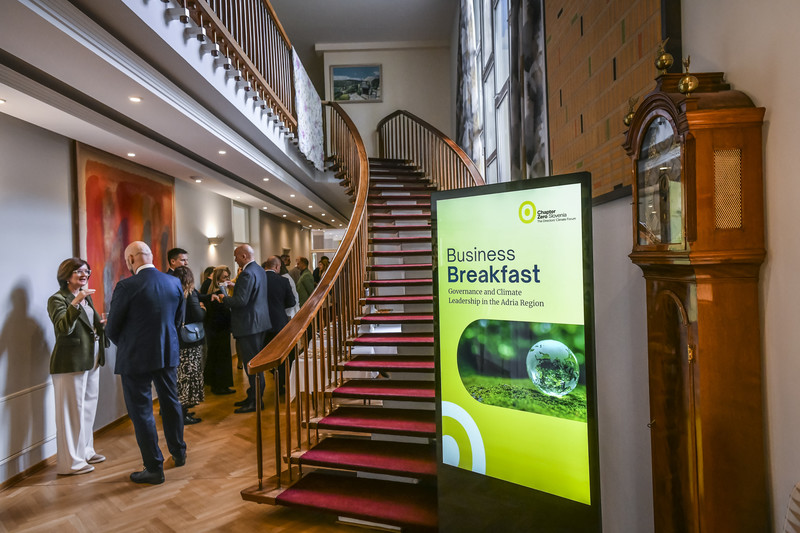
Belgrade, 10 October 2025 – Climate change is already reshaping economies across the Adria region, testing the resilience of industries and the preparedness of boards. Yet in many companies, climate remains a secondary issue. The Business Breakfast on Governance and Climate Leadership in the Adria Region, organised by Chapter Zero Slovenia was exclusively held at the Residence of the British Ambassador to Serbia. Together with regional business leaders and directors we discussed how stronger governance, accountability, and informed leadership can help companies thrive in an era defined by the climate crisis.
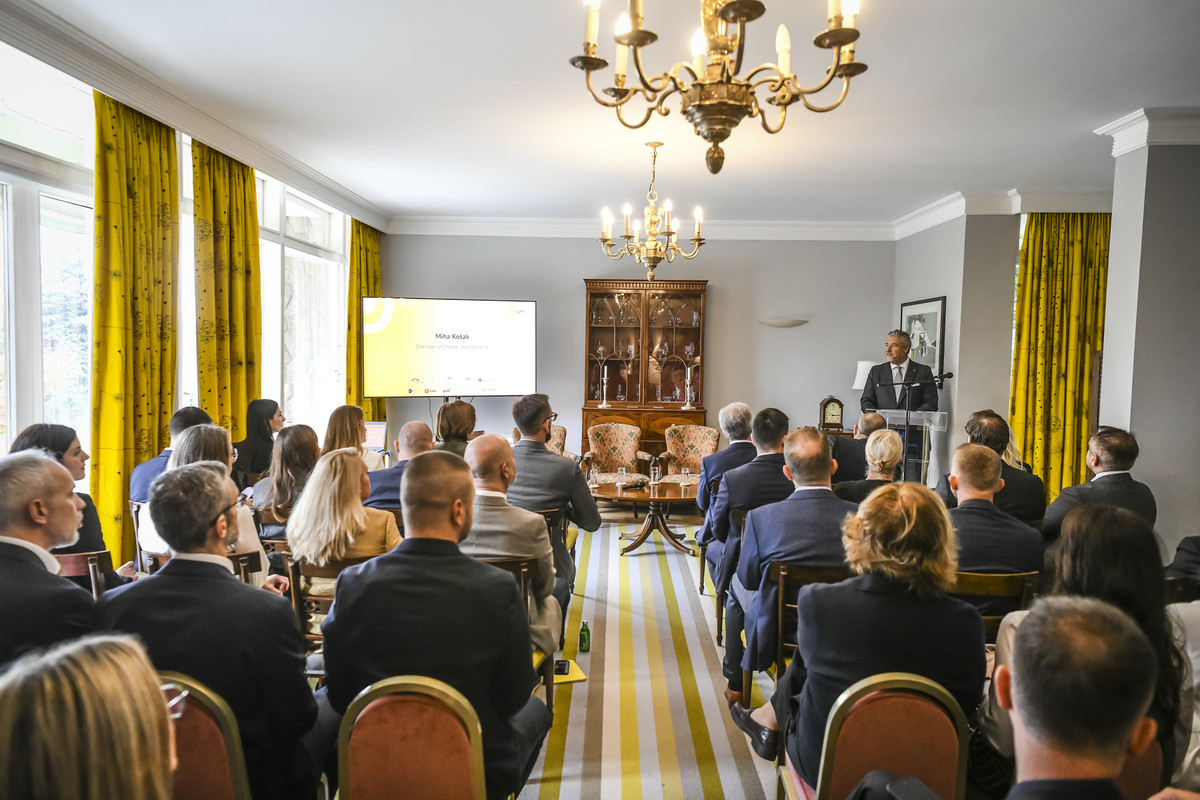
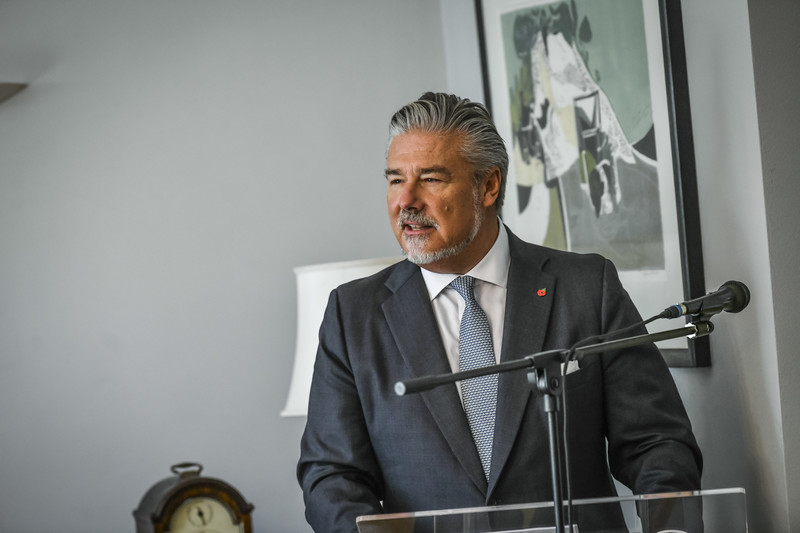
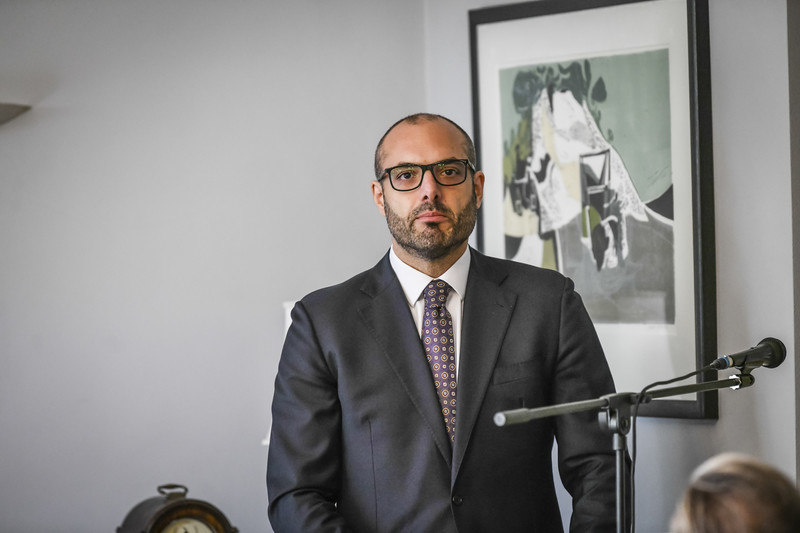
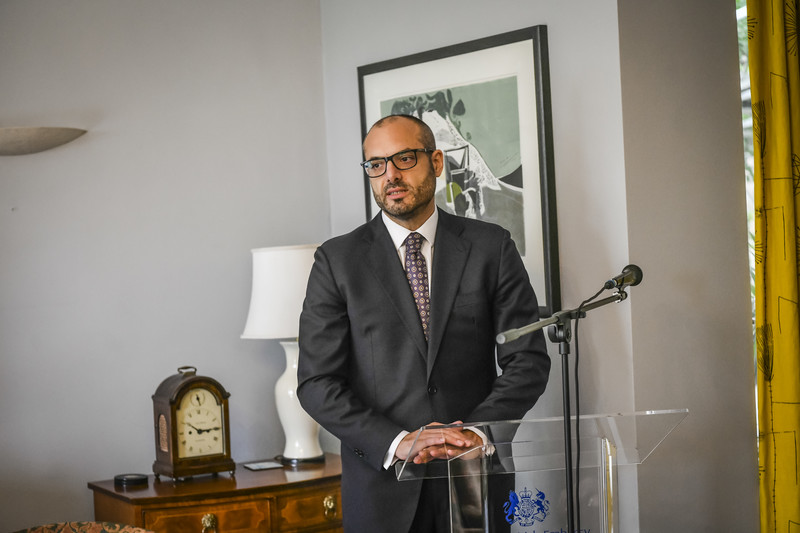
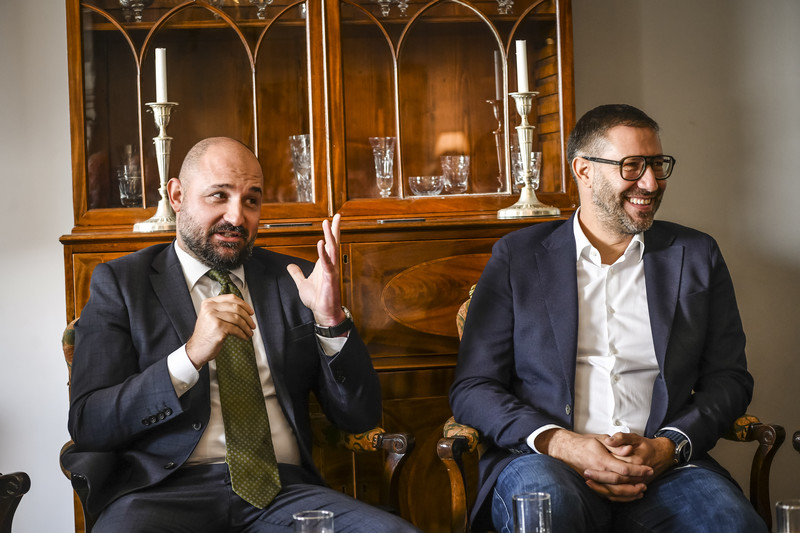
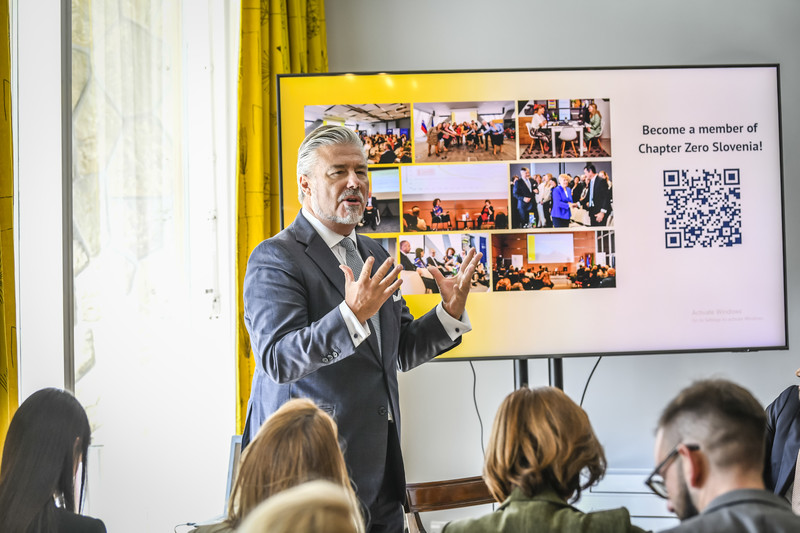
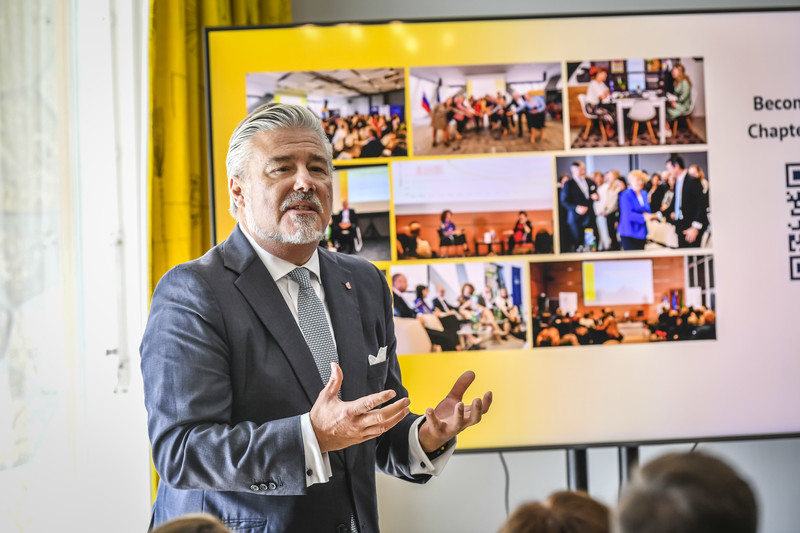
Opening the discussion, Miha Košak, Chairman of Chapter Zero Slovenia, explained that what began as a national initiative is now reaching beyond borders, with a regional conference in Zagreb and a Business Breakfast in Skopje planned for next year. "Climate change is no longer a line in a sustainability report – it’s a defining business risk, from disrupted supply chains to rising insurance costs. But it is also a driver of innovation and resilience. The role of directors is not to wait and react, but to anticipate and lead. If we succeed in embedding climate action into the DNA of governance, we will not only safeguard our businesses but contribute to the resilience and prosperity of our society and future generations," he said.
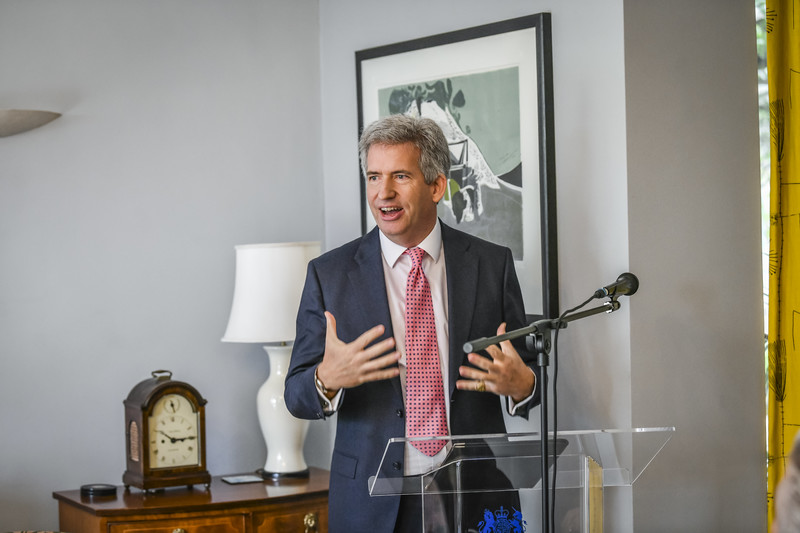
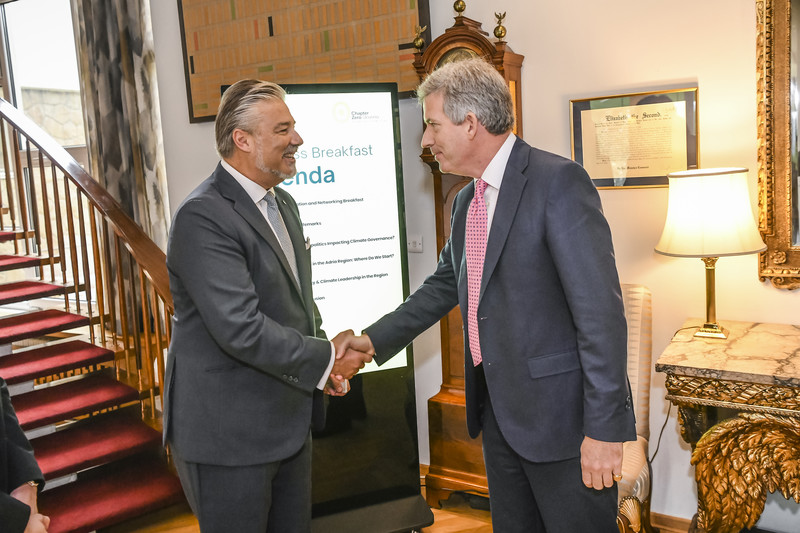
H.E. Edward Ferguson, British Ambassador to Serbia, expressed his delight at welcoming participants to his residence in Belgrade and reflected on the UK’s pioneering role in climate governance. "Chapter Zero started in the UK and has become global under the Climate Governance Initiative. The UK is keen to support and help where we can, bringing our own expertise in climate governance and in pursuing economic growth through climate action. It’s the basis of much of our growth back in the UK."
Emphasising the shared responsibility between nations, H.E. Slobodan Šešum, Ambassador of Slovenia to Serbia, noted that over 2,000 Slovenian companies operate in Serbia, employing more than 12,000 people. "The only option is cooperation, because nature and a clean environment know no borders. Slovenia is in the heart of Europe, and our heart is green,” he said. He reminded that environmental protection is deeply rooted in Slovenia’s values – reflected both in the constitutional right to clean water and in Slovenia’s successful initiative at the United Nations to proclaim 20 May as World Bee Day.
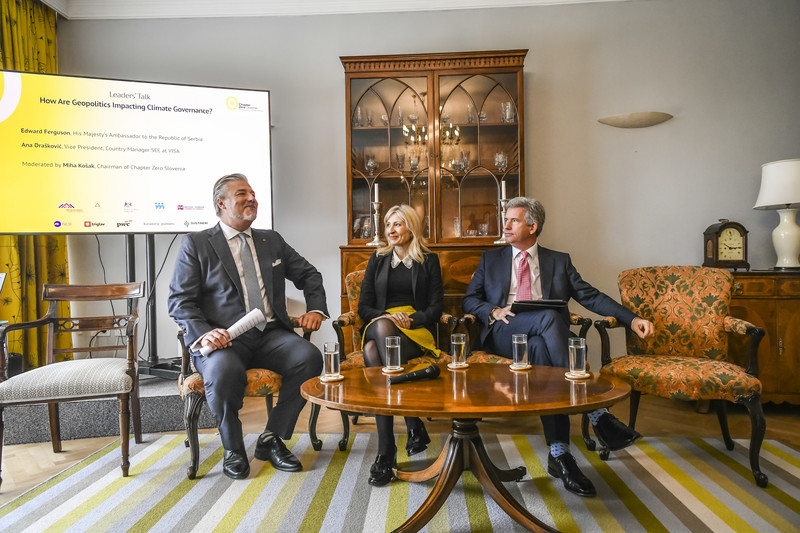
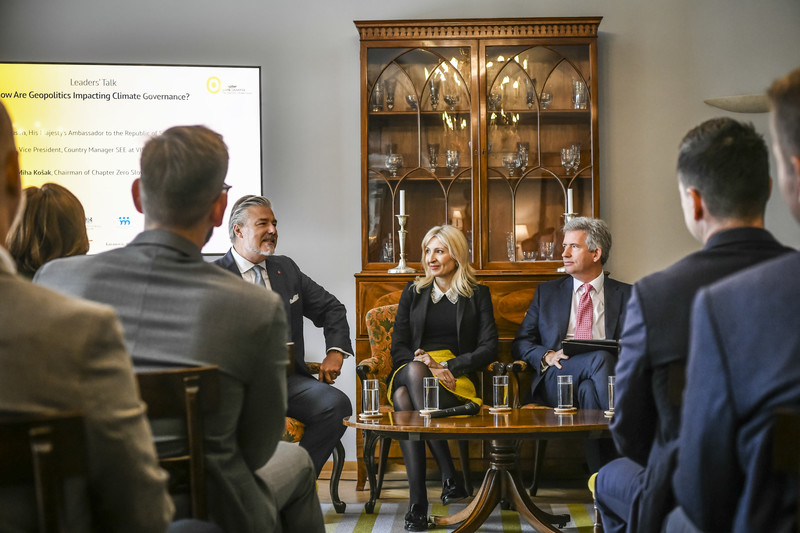
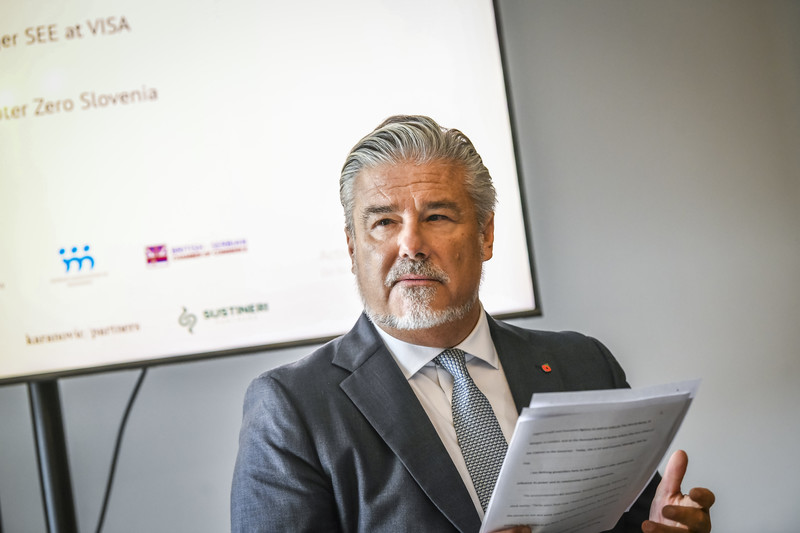
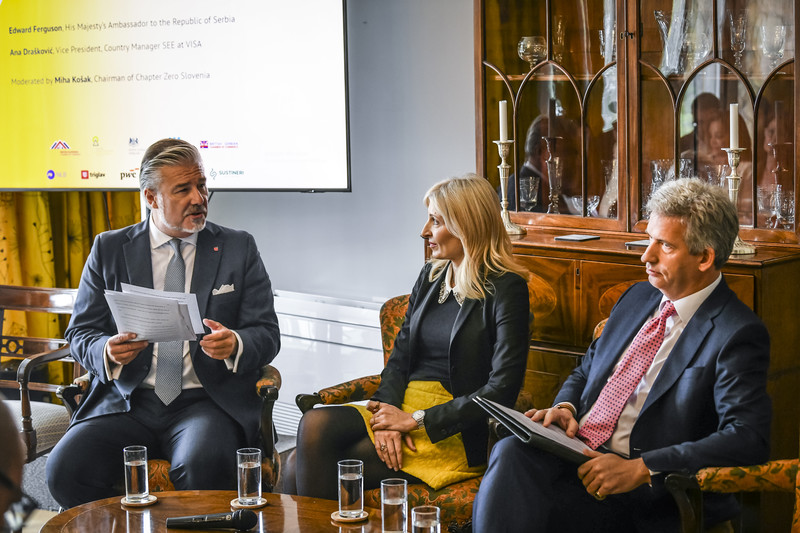
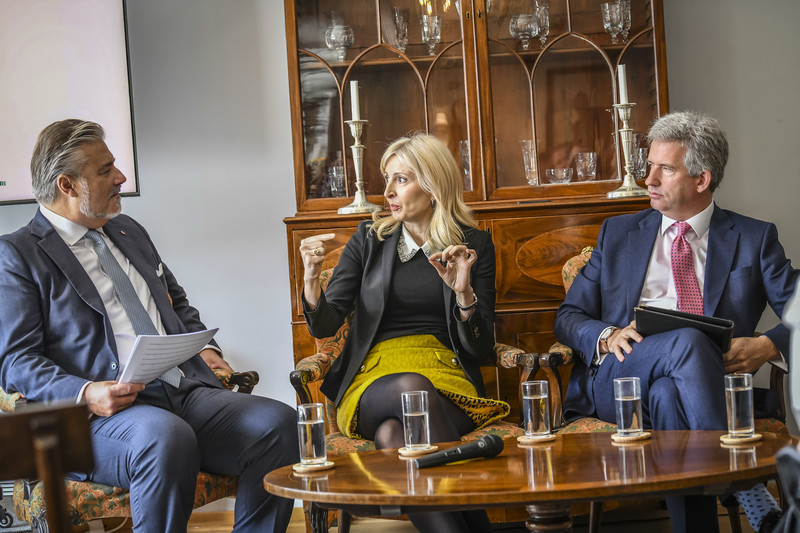
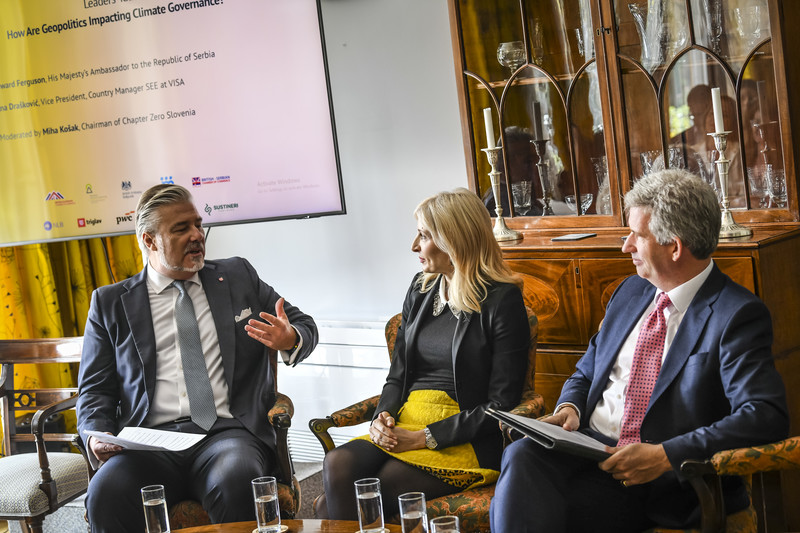
Following the opening remarks, the Leaders’ Talk, moderated by Miha Košak, examined how evolving global power dynamics are shaping boardroom priorities. Košak warned that while “green hushing” – the quiet retreat from public climate commitments – is growing in some markets, directors in the region must continue to keep climate at the forefront of their agendas.
Ambassador Ferguson warned of the new geopolitical realities. We’ve seen the dangers of energy insecurity and overreliance on single suppliers, like Russia. In this post-Ukraine world, governments and businesses alike are learning that diversification is essential. We also see China racing ahead in climate technology – which could become another monopoly unless we respond. The challenge is to maintain energy security while pursuing climate ambitions in an increasingly polarized world. He underlined the UK’s ambition: “We closed our last coal power plant last year, are investing strategically in civil nuclear, and aim for 100% clean electricity by 2030, an 81% reduction in emissions from 1990 levels.” The UK’s experience shows that you can grow your economy while becoming greener, and this is something other countries can learn from.
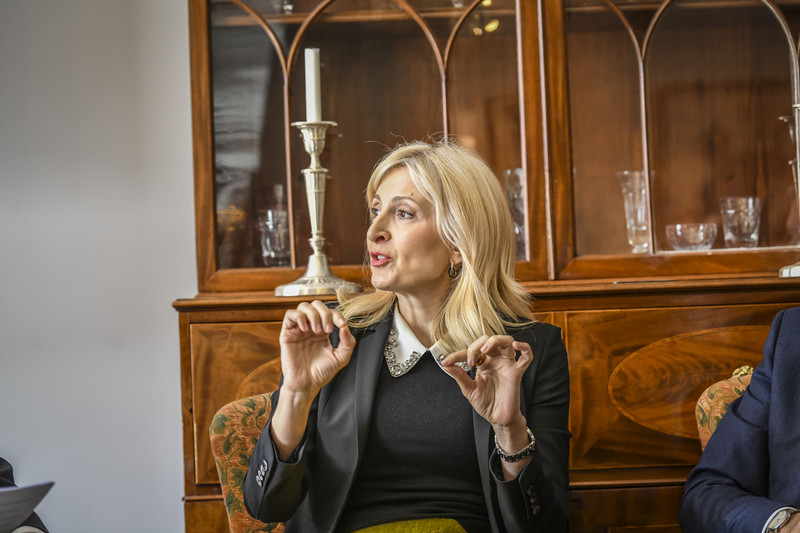
Ana Drašković, Vice President and Country Manager for SEE at Visa, reflected on how global instability is affecting the climate. "Military conflicts are one of the main drivers of emissions – around 5.5% globally, comparable to the cement industry. Despite shifting political winds in the US, Visa remains deeply committed to achieving net zero by 2040," she said. Visa has also developed a platform that calculates the carbon footprint of every transaction, integrated directly into mobile banking apps. Users can then offset their emissions and receive practical sustainability tips. "It’s about awareness, showing people what they can do, and what we as companies can do to support them. It starts with each of us, and builds up to systemic change."
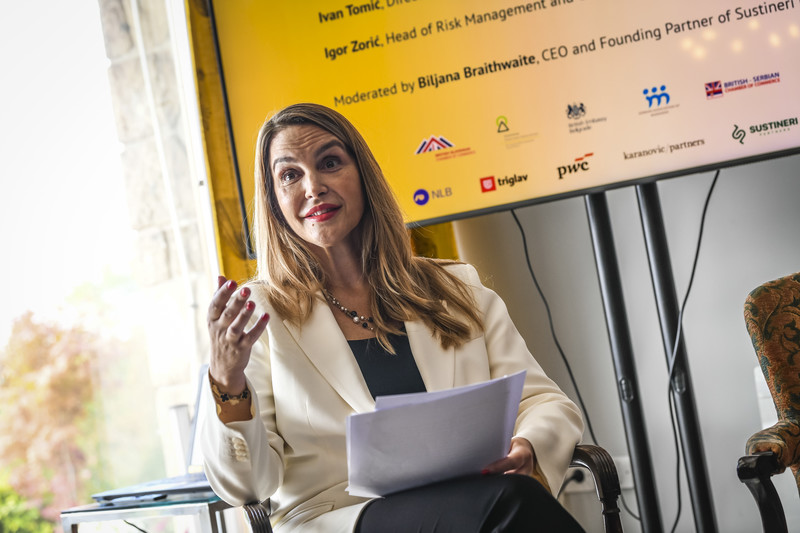
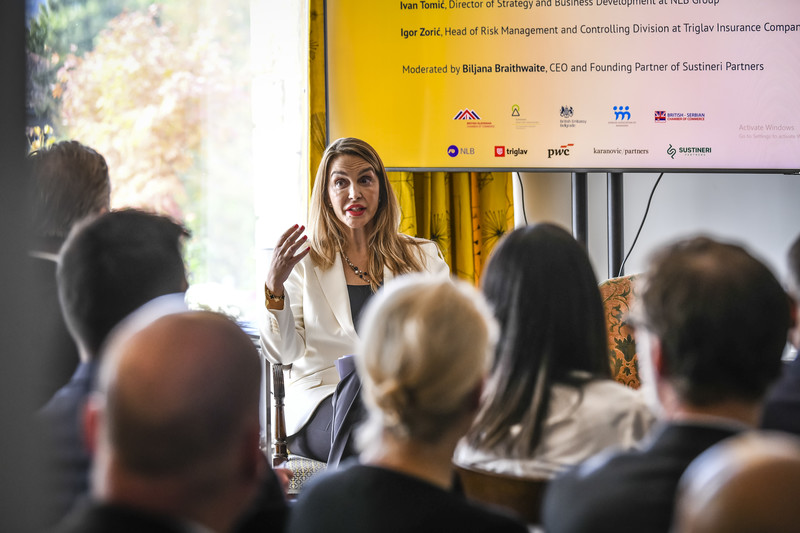
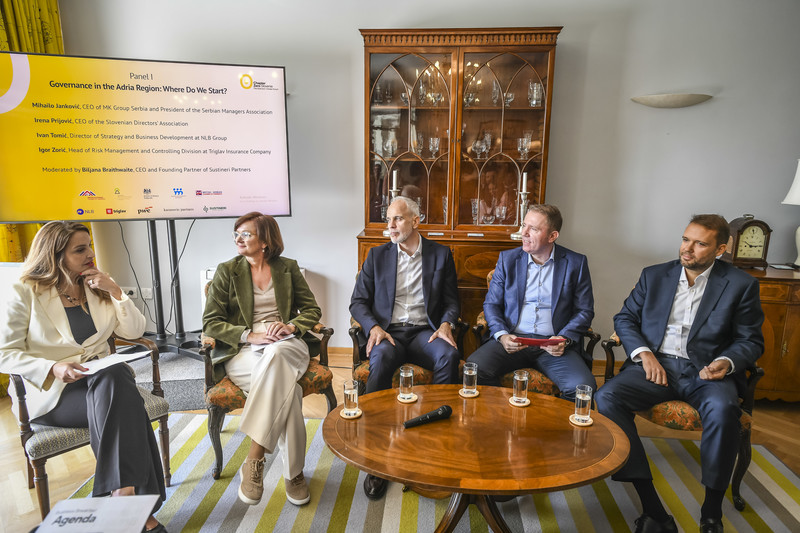
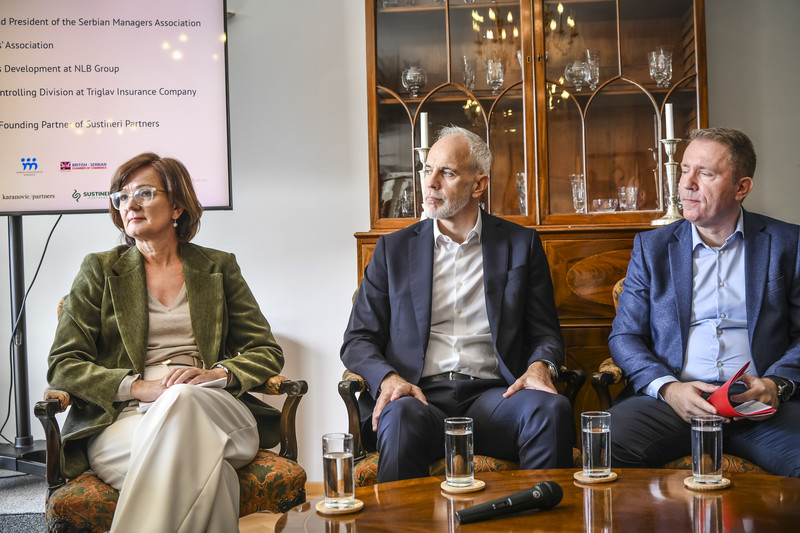
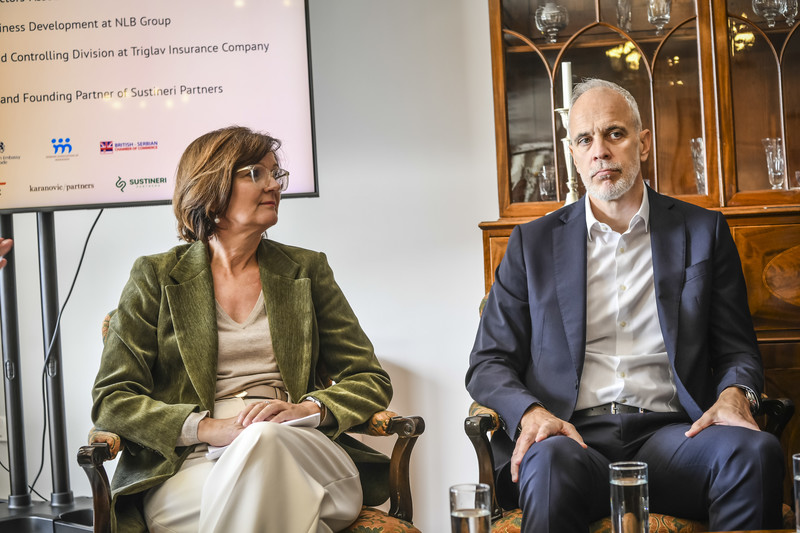
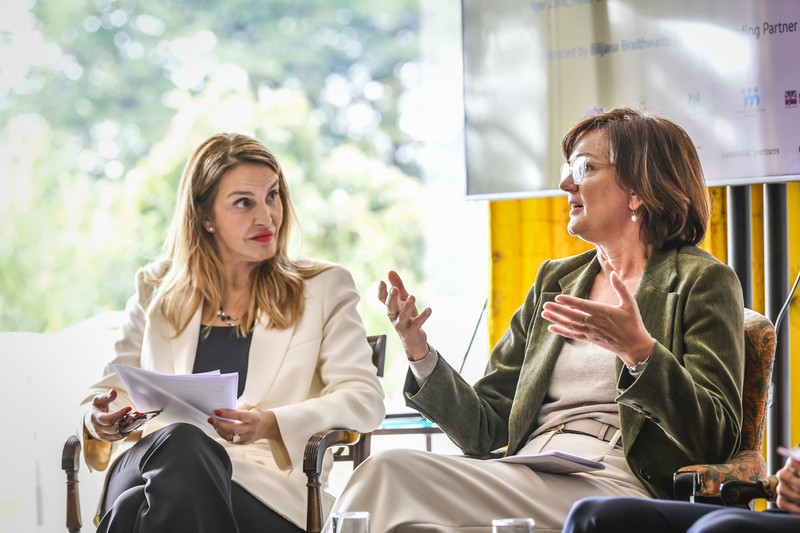
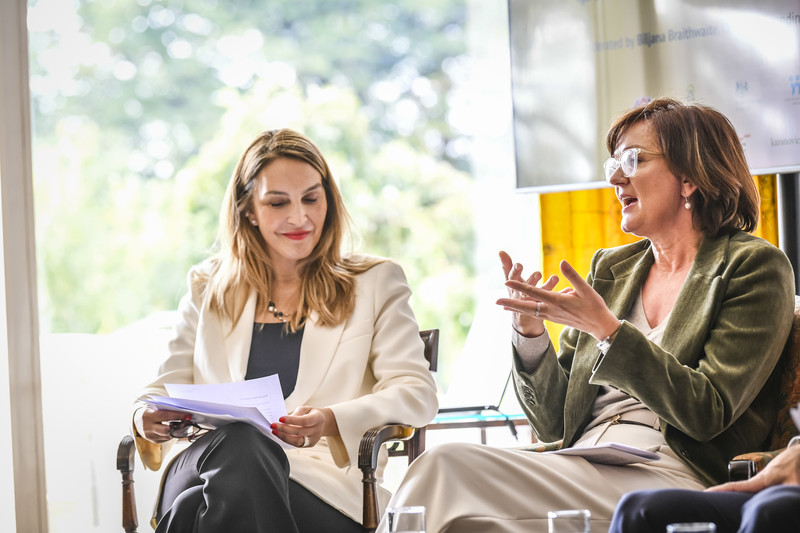
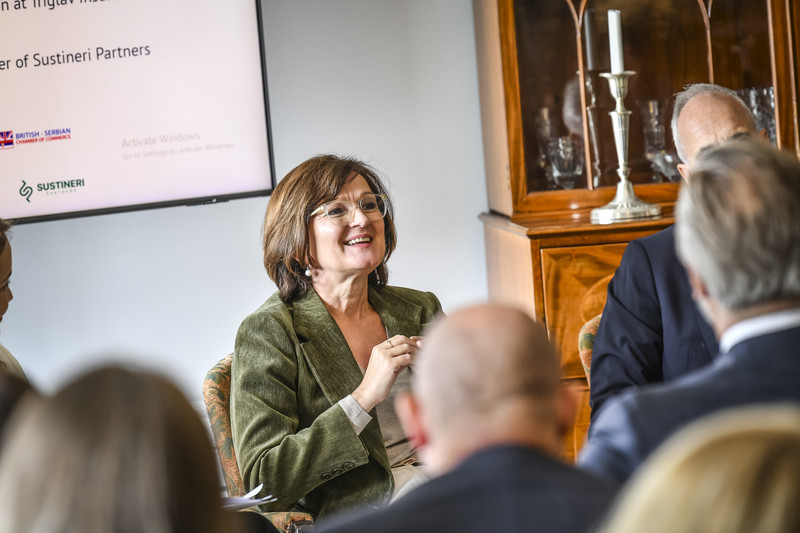
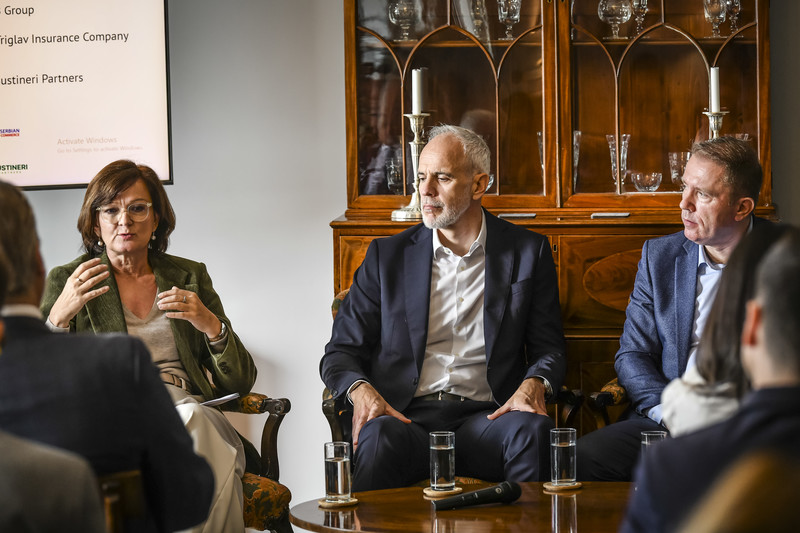
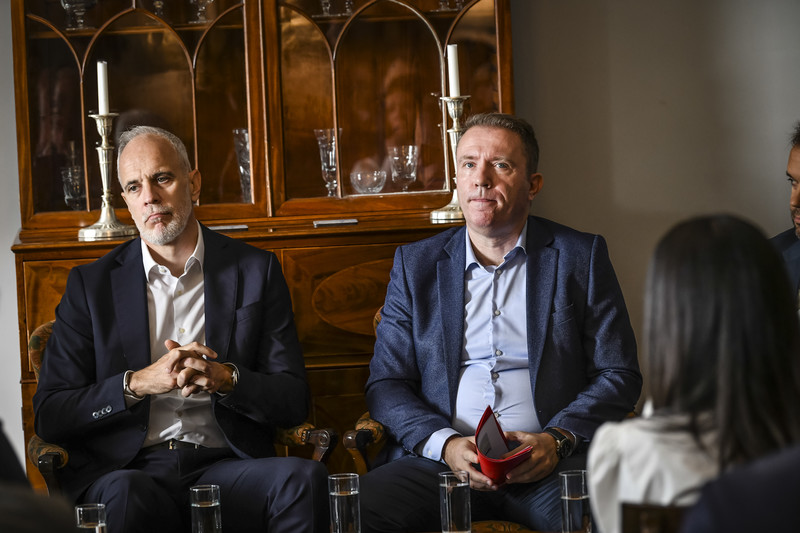
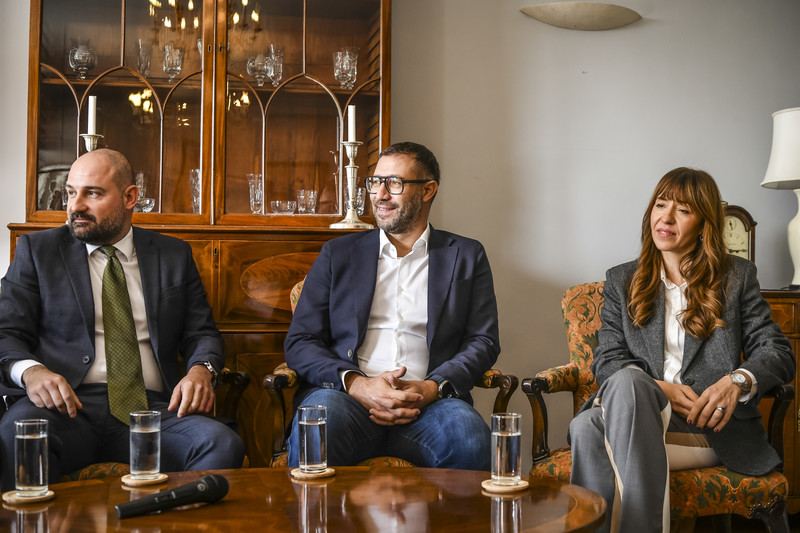
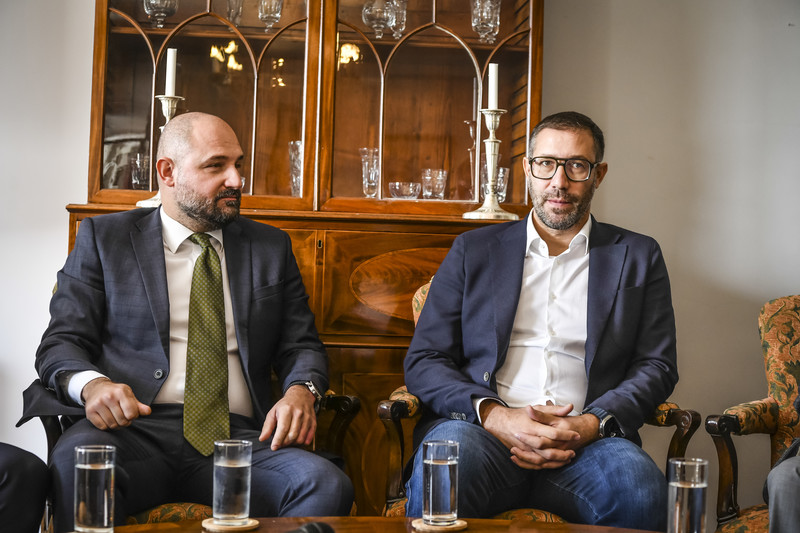
Moderated by Biljana Braithwaite, CEO and Founding Partner of Sustineri Partners, the following panel explored how to make boards “fit for purpose” amid escalating climate and geopolitical risks.
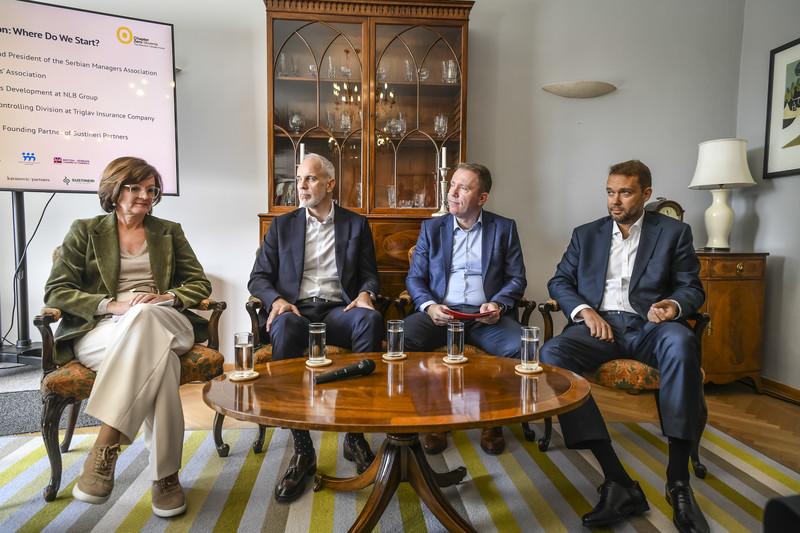
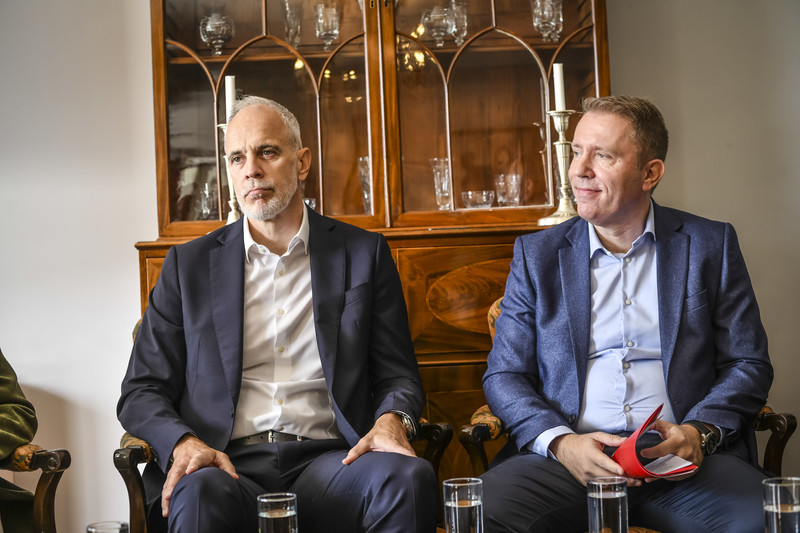
Mihailo Janković, CEO of MK Group and President of the Serbian Managers Association, drew on his experience leading a well established regional business to underline that governance must be understood as an enabler, not a constraint. "Managing a company with multiple sectors and operations across several countries shows that governance provides structure, accountability, and trust – it’s the framework that enables freedom and growth. Complexity can slow you down unless you have clear responsibilities and processes. Integrity is the cornerstone, and meritocracy is what the region truly needs. Only then can we can lead change and turn it into opportunity," he said.
From Slovenia’s perspective, Irena Prijović, CEO of the Slovenian Directors’ Association, highlighted the country’s governance evolution during its EU and OECD accession. “External pressures forced us to adopt governance and compliance standards." But certain challenges remain, from political influence in partially state-owned companies to lack of board continuity, adding: Everything works until it doesn’t, and without a proper framework, everything can collapse. That’s why we at the Association focus on supporting directors through education and certification,” she said.
Representing the financial sector, Ivan Tomić, Director of Strategy and Business Development at NLB Group, highlighted that the bank operates across the entire Adria region, spanning two EU member states and several non-EU countries, yet applies uniformly high standards throughout. "Even where regulations are less strict, we align with EU law and our internal group standards. Good governance acts as a safety net, giving investors confidence that their money is secure. At NLB, sustainability is a board-level priority, not merely a matter of compliance but a source of opportunity. We actively finance green projects and low-carbon technologies, and have a dedicated board member responsible for sustainability," he explained.
Building on this perspective, Igor Zorić, Head of Risk Management and Controlling at Triglav Osiguranje, added that "Slovenia ranks among the worst in Europe for per capita economic loss due to floods, with less than 10% of losses insured." He pointed out that the insurance penetration rate remains low – 5.5% in Slovenia and only 1.9% in Serbia. "Insurance is an important part of risk mitigation. Governance must evolve to integrate both company-specific and systemic risks. If we wait for governments to prescribe action, it may already be too late," he warned.
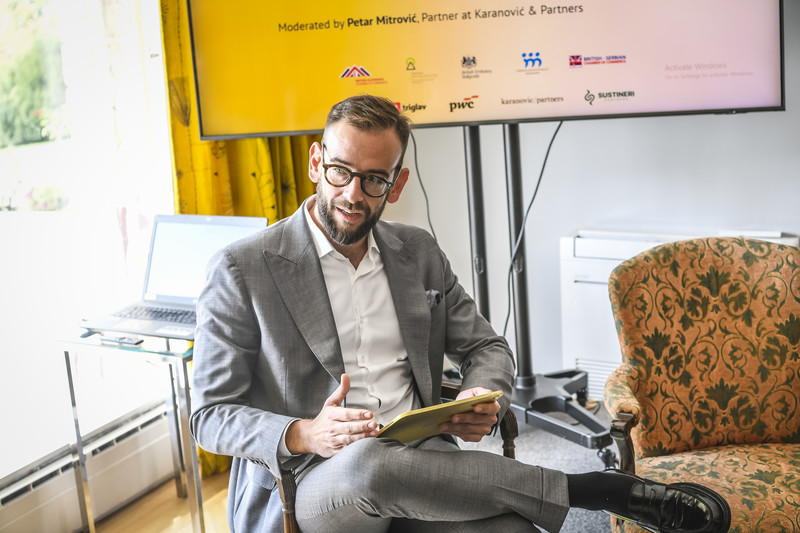
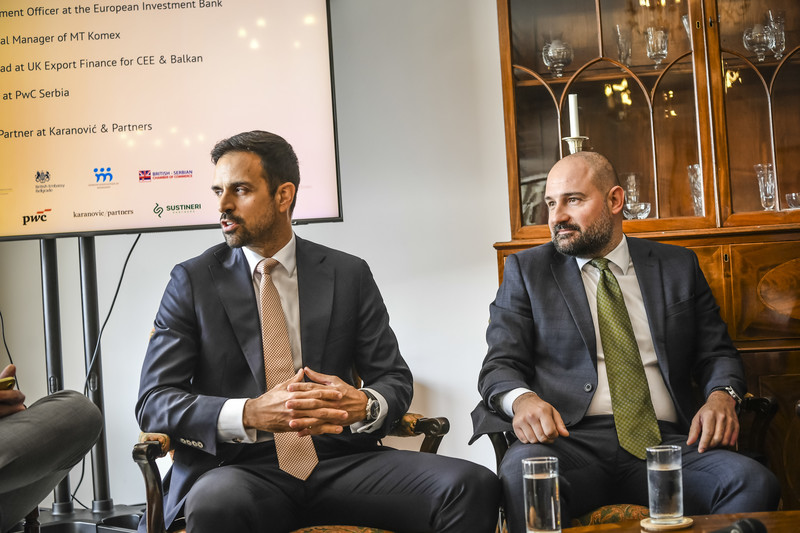
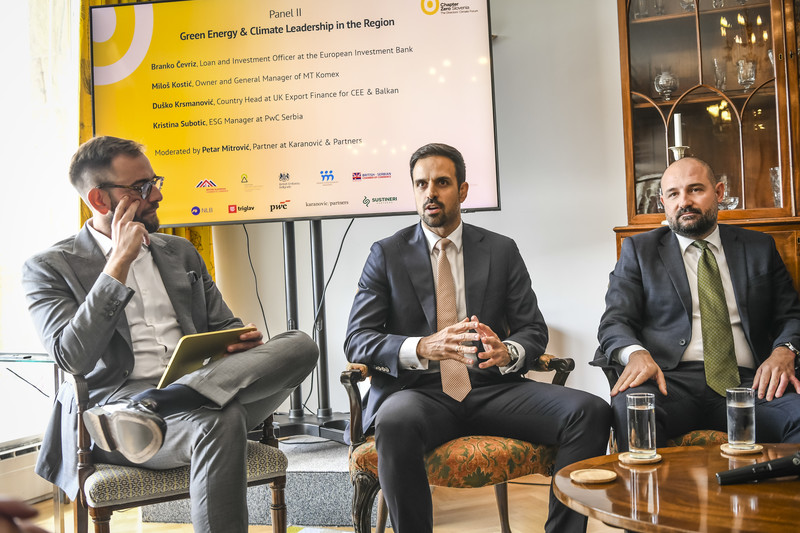
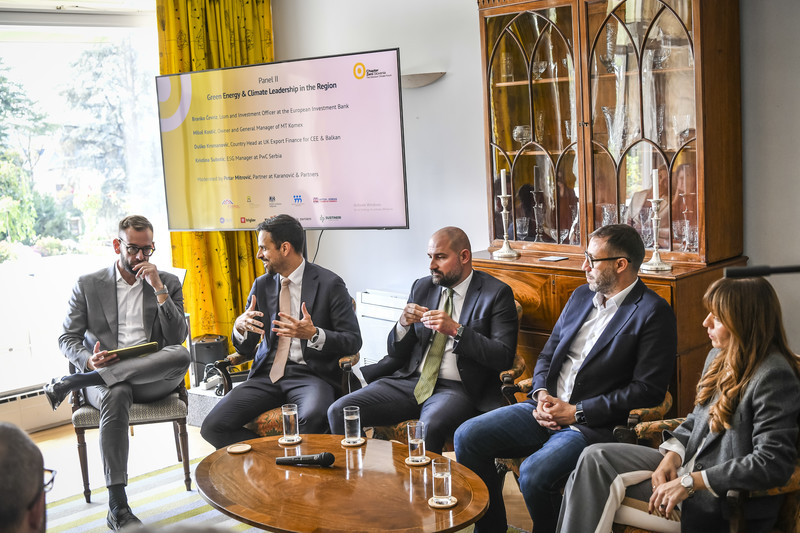
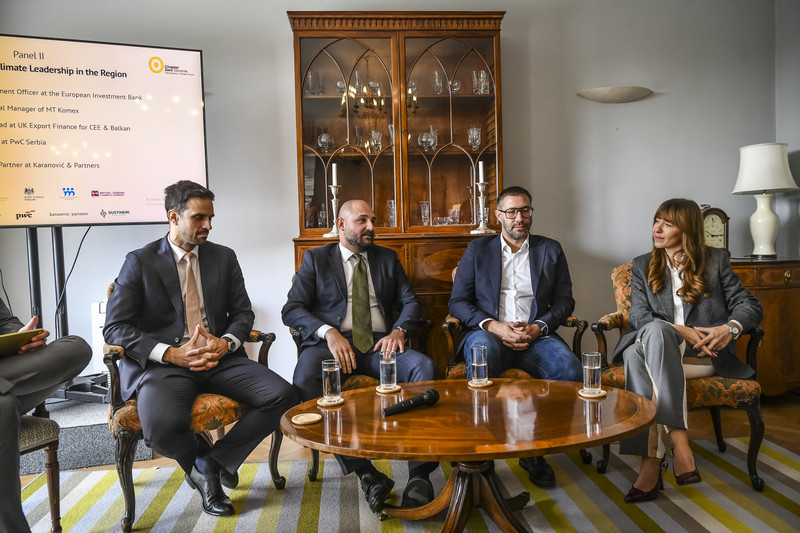
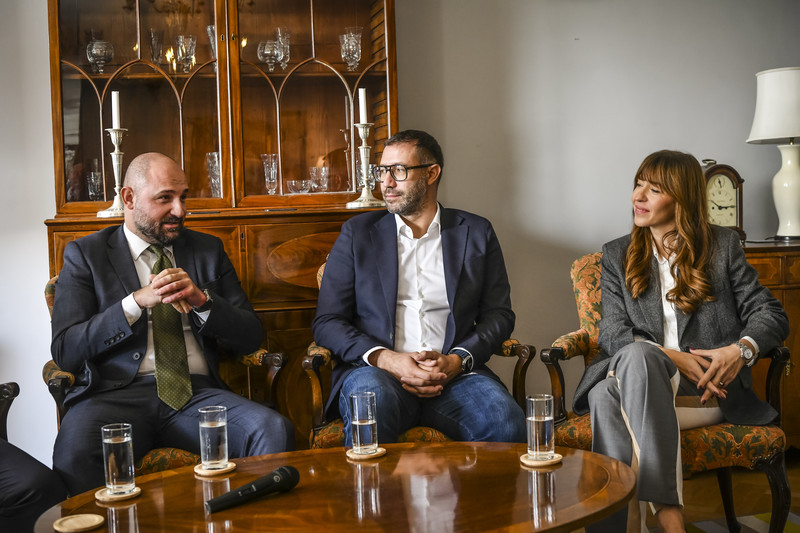
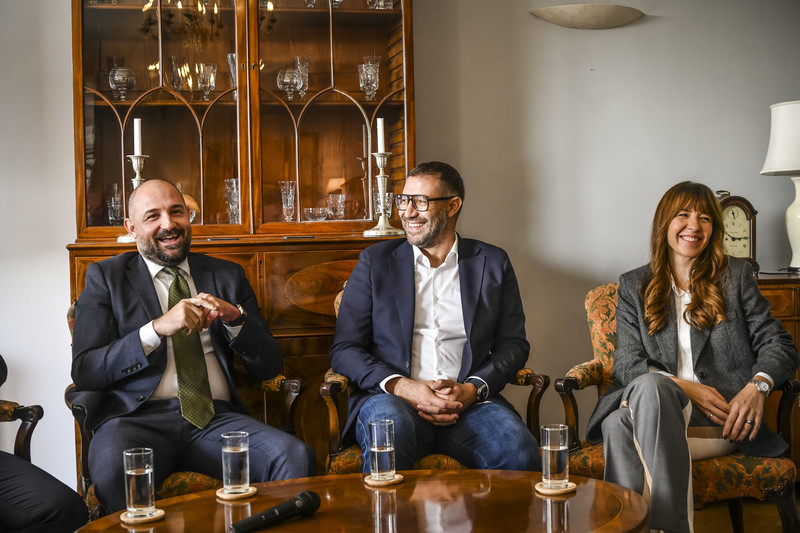
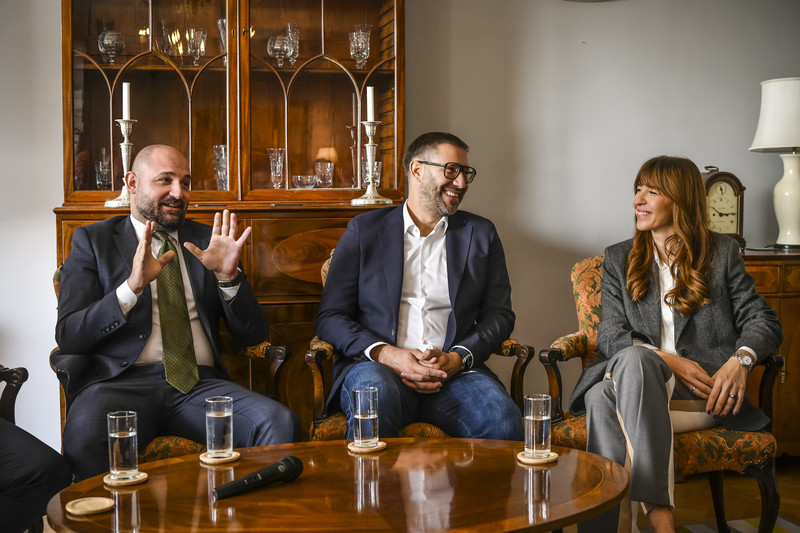
In the second panel, moderated by Petar Mitrović, Partner at Karanović & Partners, speakers focused on financing the green transition and translating ambition into tangible results, with examples of successful green projects across the region.
Branko Čevriz, Loan and Investment Officer at the European Investment Bank, explained how the EIB has operationalised its climate commitments: "Since adopting our Climate Roadmap in 2021, the EIB set out to gradually dedicate at least 50% of all investments to climate and environmental projects, a goal we have already met We integrate climate risks into our risk frameworks and promote alignment with EU standards from the earliest stages of each project. More and more clients now view this not as a box-ticking exercise, but as a route to greater resilience and competitiveness."
In a similar vein, Duško Krsmanović, Country Head for UK Export Finance in CEE and the Balkans, outlined how the UK’s export credit agency is embedding sustainability into its portfolio: "We’ve completely stopped financing fossil fuel projects and redirected our focus towards clean growth, from rail electrification and renewable energy to sustainable infrastructure. In Serbia alone, £5 billion is available through loans and guarantees to advance climate mitigation efforts." UK Export Finance promotes sustainable finance worldwide by setting strong net-zero benchmarks and applying the highest ESG standards across all of its products.
From the private sector, Miloš Kostić, Owner and General Manager of MT Komex, shared how businesses are leading the way: "Moving to renewable energy always comes with associated costs, but it brings long-term stability, especially by helping companies stabilise their energy costs," he said. MT Komex has developed its own e-mobility app and is building one of the largest regional charging networks, now connecting Serbia with neighbouring markets. "We’ve opened a company in Bosnia and Herzegovina, we’re expanding to North Macedonia and Montenegro, showing that it’s already possible to reach any corner of the region by electric car," Kostić added.
Kristina Subotić, ESG Manager at PwC Serbia, closed the panel with a message on leadership: "ESG is no longer just about reporting – it’s about how you do business. Leaders must integrate it into strategy and decision-making, but also communicate it clearly and transparently. Sharing your journey, including the challenges, builds trust and inspires others. Leadership today means leading through example and through honest communication,” she concluded.
Founding Partners: British-Slovenian Chamber of Commerce and Slovenian Directors' Association | Institutional Partners: Serbian Association of Managers and British-Serbian Chamber of Commerce | Event Partners: NLB, Zavarovalnica Triglav, PwC Slovenia, Karanović & Partners and Sustineri Partners