Annual Meeting in Geneva: Global Board Directors Meet to Accelerate Climate and Nature Action
4 Julij 2025
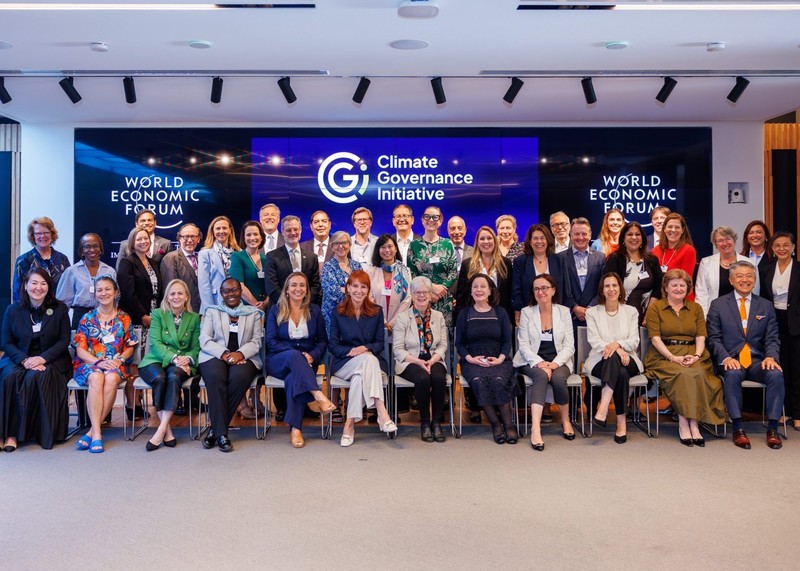
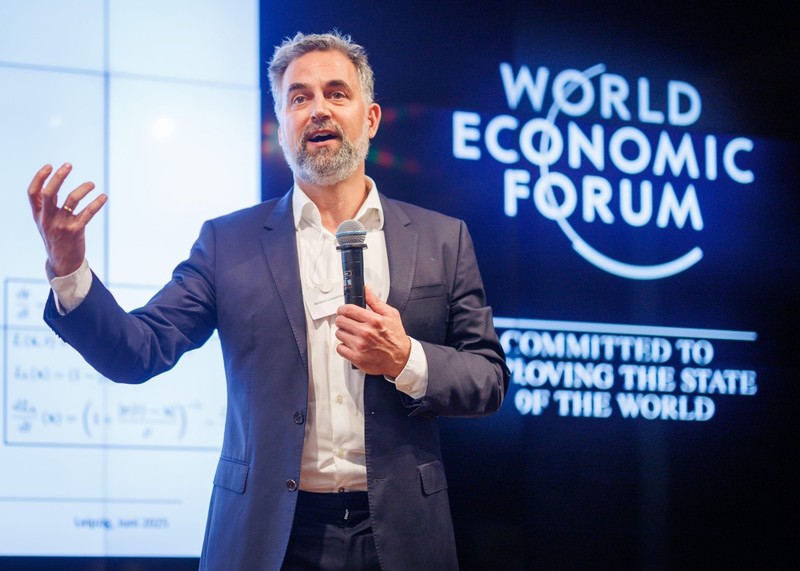
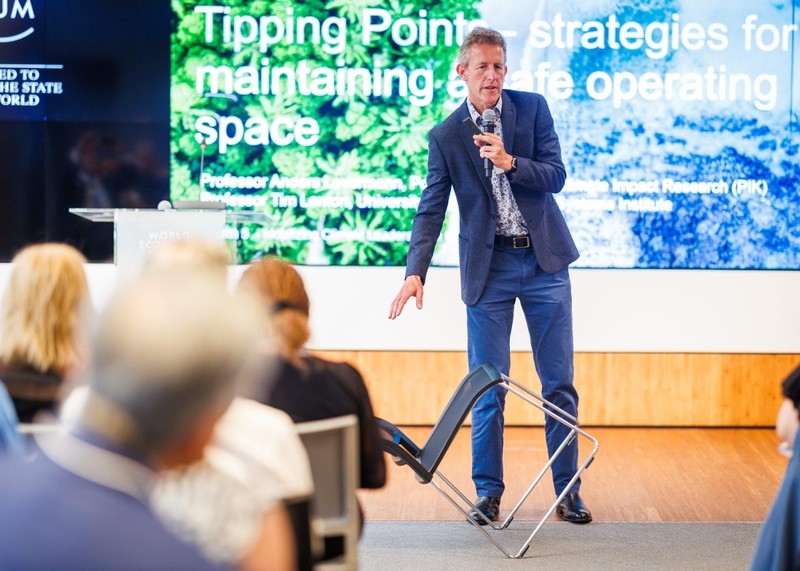
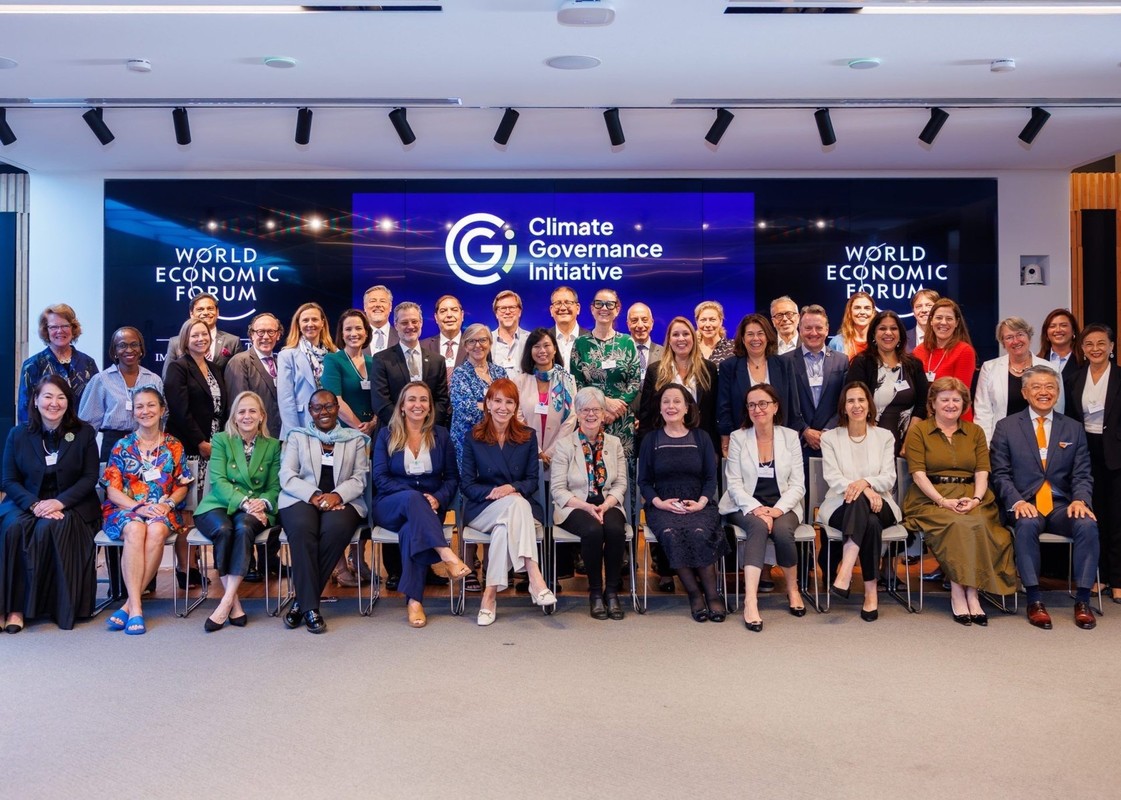
In June 2025, leading board directors from across the Climate Governance Initiative’s global network gathered at the World Economic Forum headquarters in Geneva. The two-day annual workshop meeting, titled “Mobilizing Climate Leadership in Complex Times,” brought together 40 board members from over 20 countries and a variety of sectors, including financial services, renewable energy, agriculture, pharmaceuticals, mining, and industry.
We are proud that our representative, Miha Košak, Honorary Chairman of Chapter Zero Slovenia, was among the attendees. Drawing on his extensive experience as a non-executive director, he contributed to discussions on responsible and innovative leadership, strategic decision-making, and the role of board directors amid the deepening climate and nature crisis.
Participants exchanged experiences and practical examples to discuss how board directors can develop robust governance approaches that address both climate and nature-related risks while also leveraging the opportunities arising from the transition to a low-carbon economy. The discussions also tackled the challenges posed by the need for long-term orientation in an environment where short-term thinking still predominates, as well as how to develop appropriate tools, partnership approaches, and leadership mindsets grounded in responsibility.
Central to the discussions were dilemmas faced by board members in practice, ranging from managing complex debates and behavioral dynamics in boardrooms to making decisions about transforming business models that must become resilient and competitive over the coming decades.
The importance of these discussions is further underscored by the World Economic Forum’s 2025 Global Risks Report, which highlights worrying trends of “declining optimism” about the future. The report identifies the top four global risks in the next decade as environmental: extreme weather events, biodiversity loss and ecosystem collapse, critical changes in Earth systems, and natural resource shortages.
Despite these challenges, members of the global Climate Governance Initiative network emphasized the importance of international collaboration, sharing best practices, and independent leadership as key factors to accelerate climate action.